
Tag: Scanning Electron Microscopy

How to Validate SEM Performance After a Move
A microscope that powers on after relocation has not yet demonstrated that it is ready for reliable analysis. Validating SEM performance after a move...
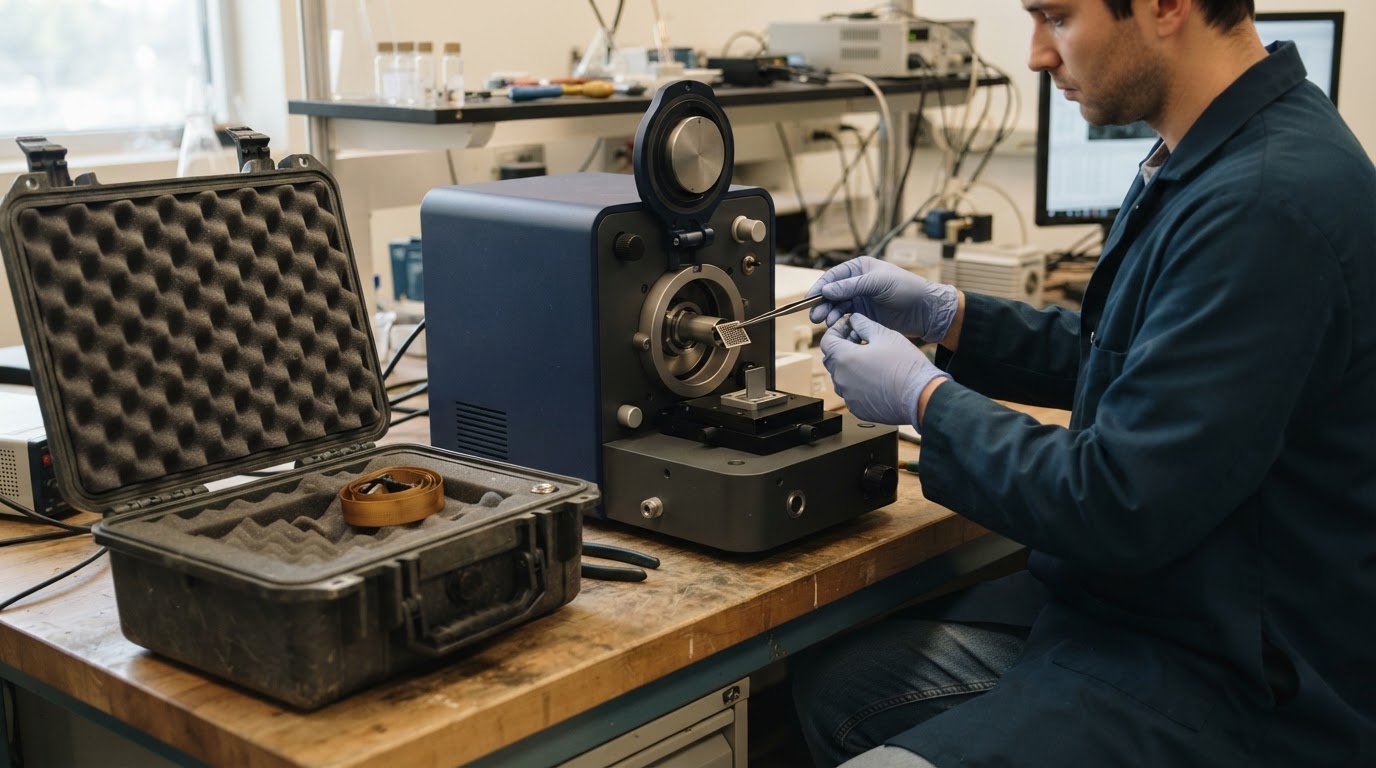
How to Move an SEM to a New Facility and Confirm Performance
An SEM move is a precision reinstallation, not simply a change of address. Planning how to move an SEM to a new facility means recording baseline...
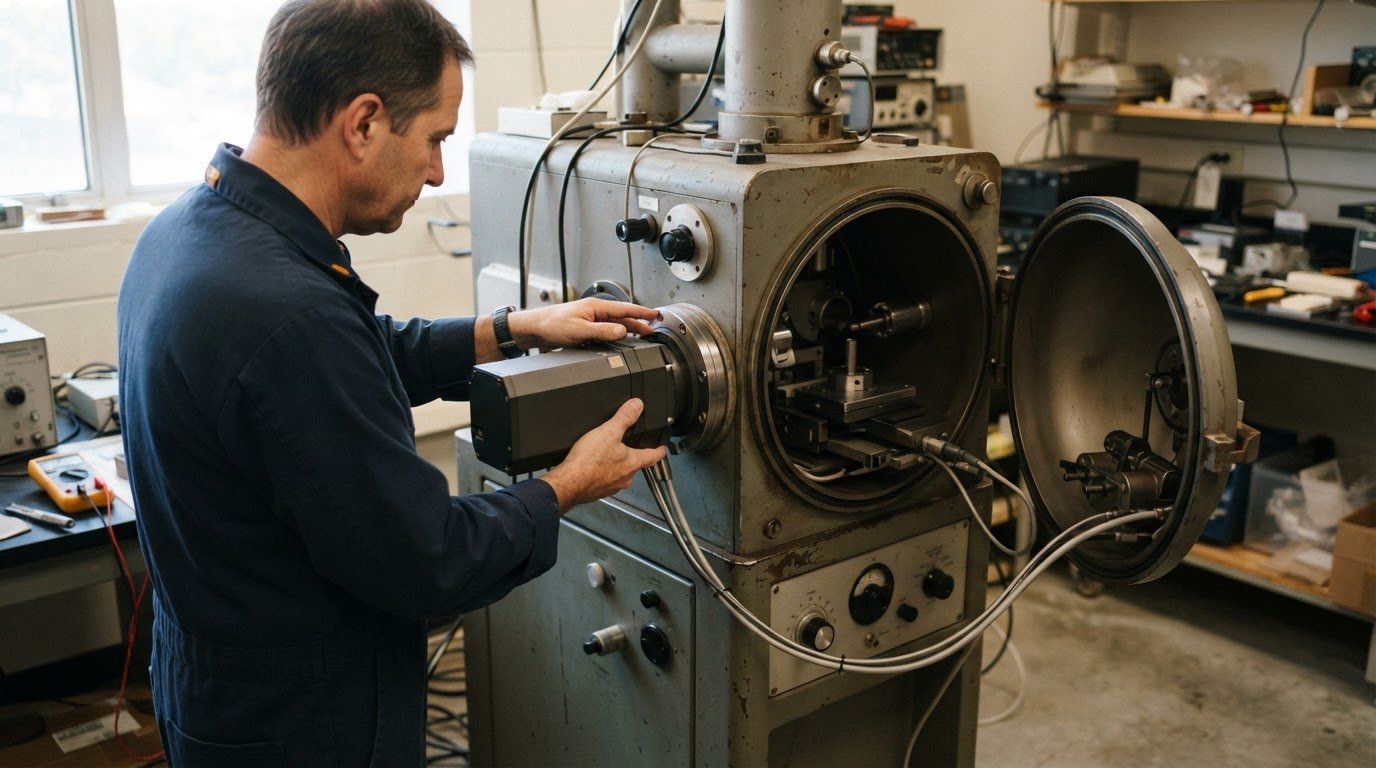
Can You Add EDS to an Old SEM? What Upgrade Installation Involves
An older SEM doesn’t automatically rule out elemental analysis. In many cases, you can add EDS to an old SEM if its configuration supports the...
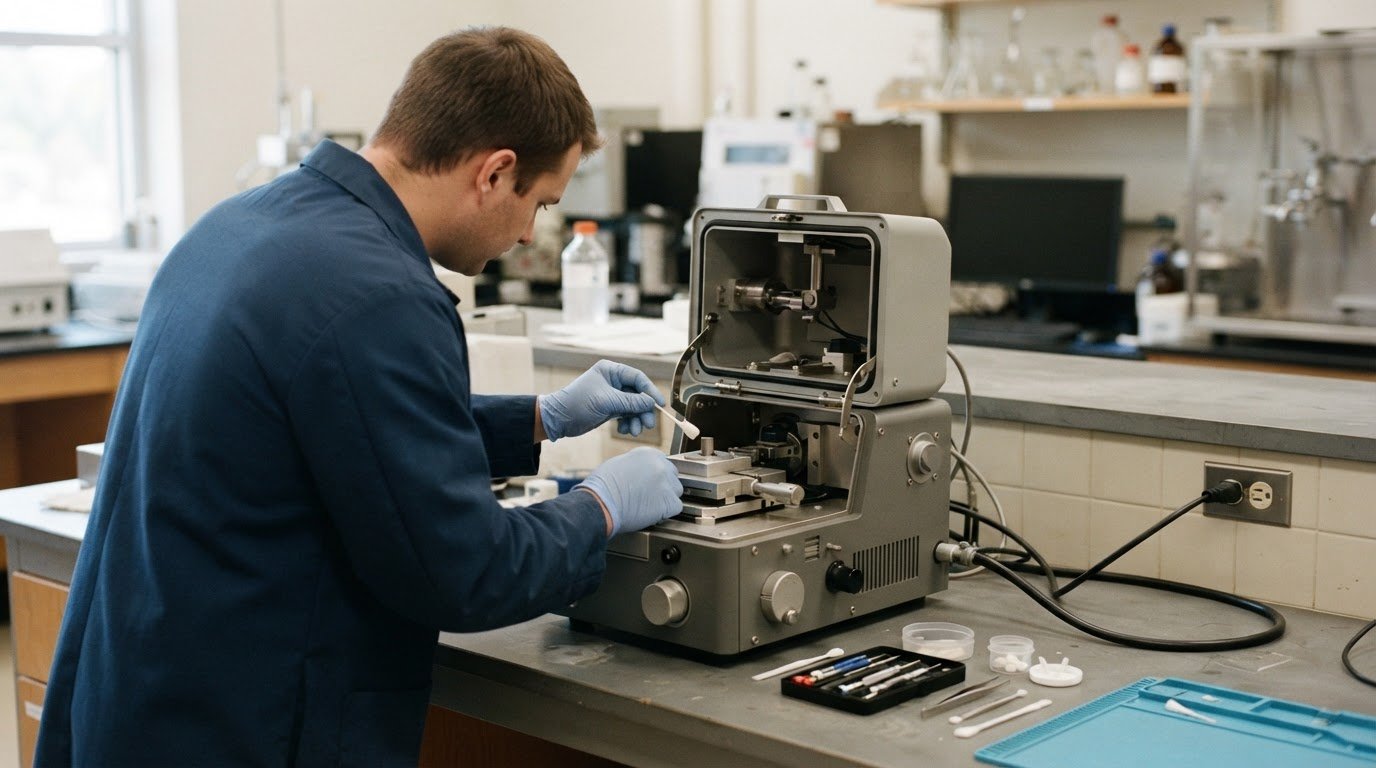
Comparing SEM Operating Costs: Ownership and Upkeep
An SEM’s purchase price is only one part of its operating cost. When comparing operational costs of different SEM models, include the electron...
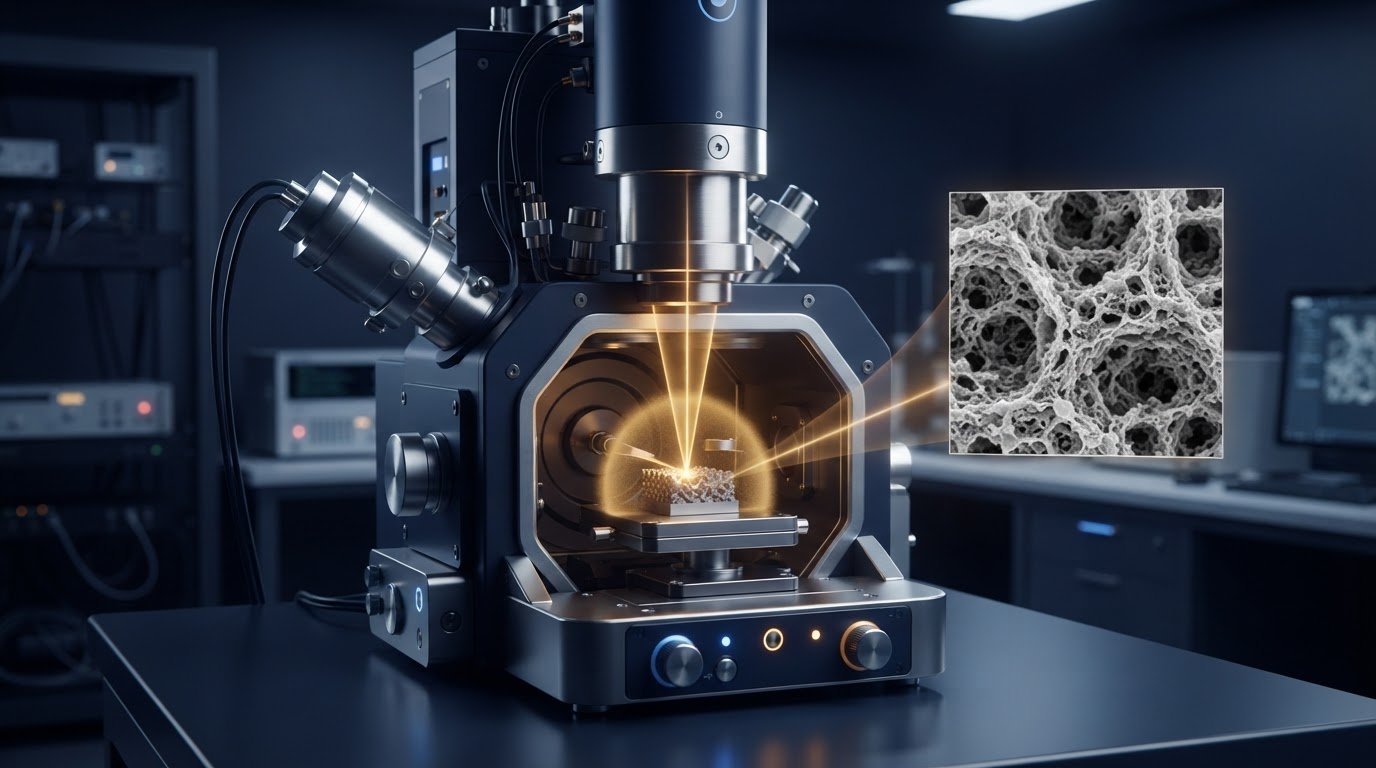
Understanding SEM Spot Size in Benchtop SEM Imaging
A smaller SEM spot can sharpen fine detail, but it is not automatically the best setting. Understanding SEM spot size means balancing probe diameter...
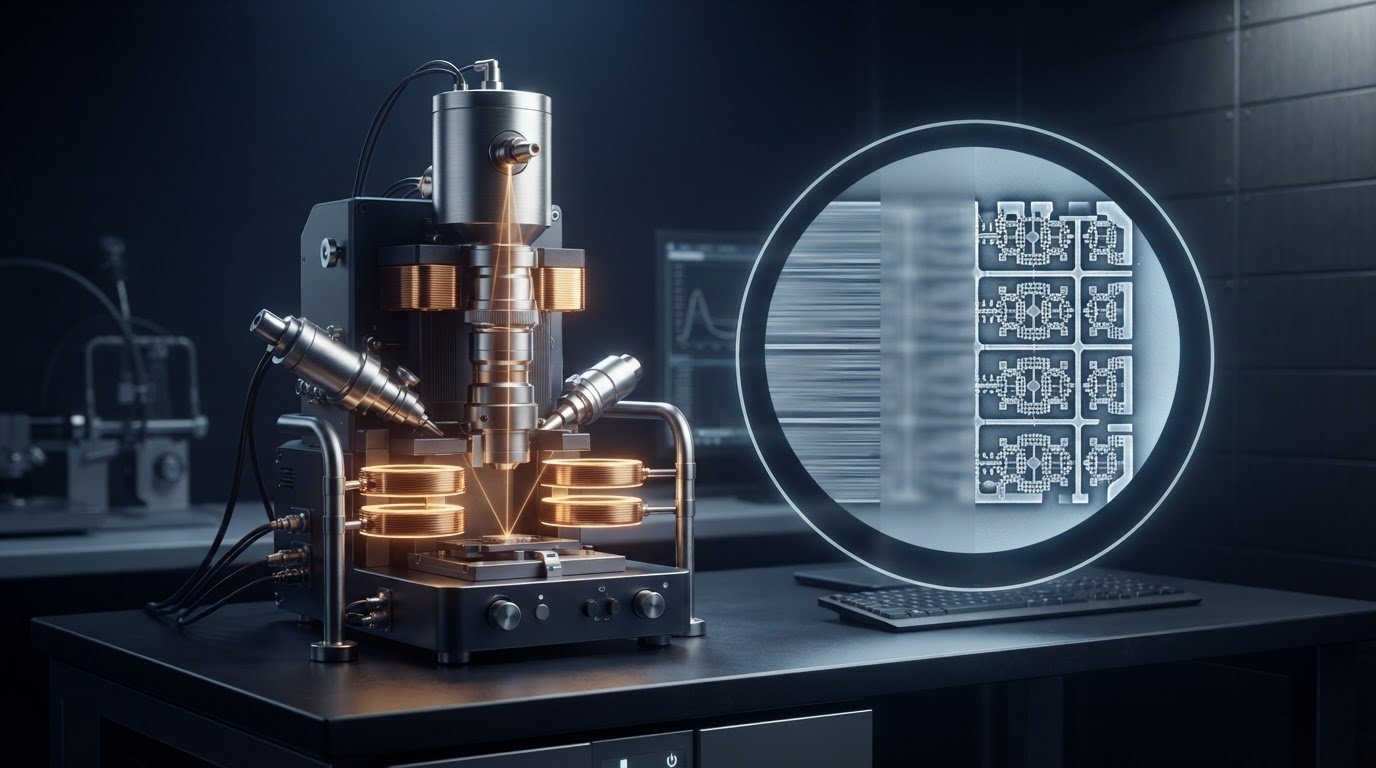
Astigmatism Correction in SEM: Understanding Image Blur
A sharp SEM image requires more than bringing the beam into focus: astigmatism can blur details in different directions. This guide explains...
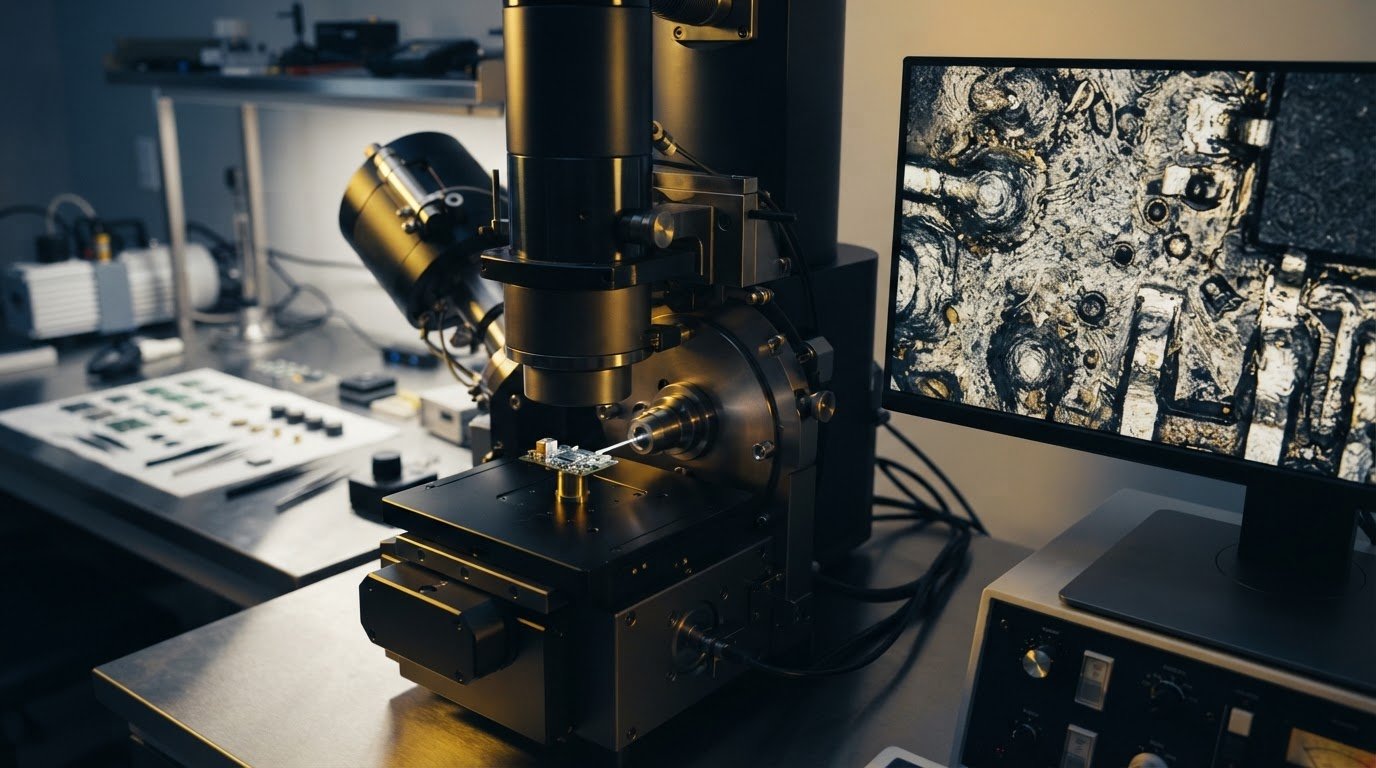
Quality Assurance in Electronics Manufacturing with SEM Checks
Quality assurance in electronics manufacturing with SEM imaging helps teams examine component surfaces and material features beyond the reach of...
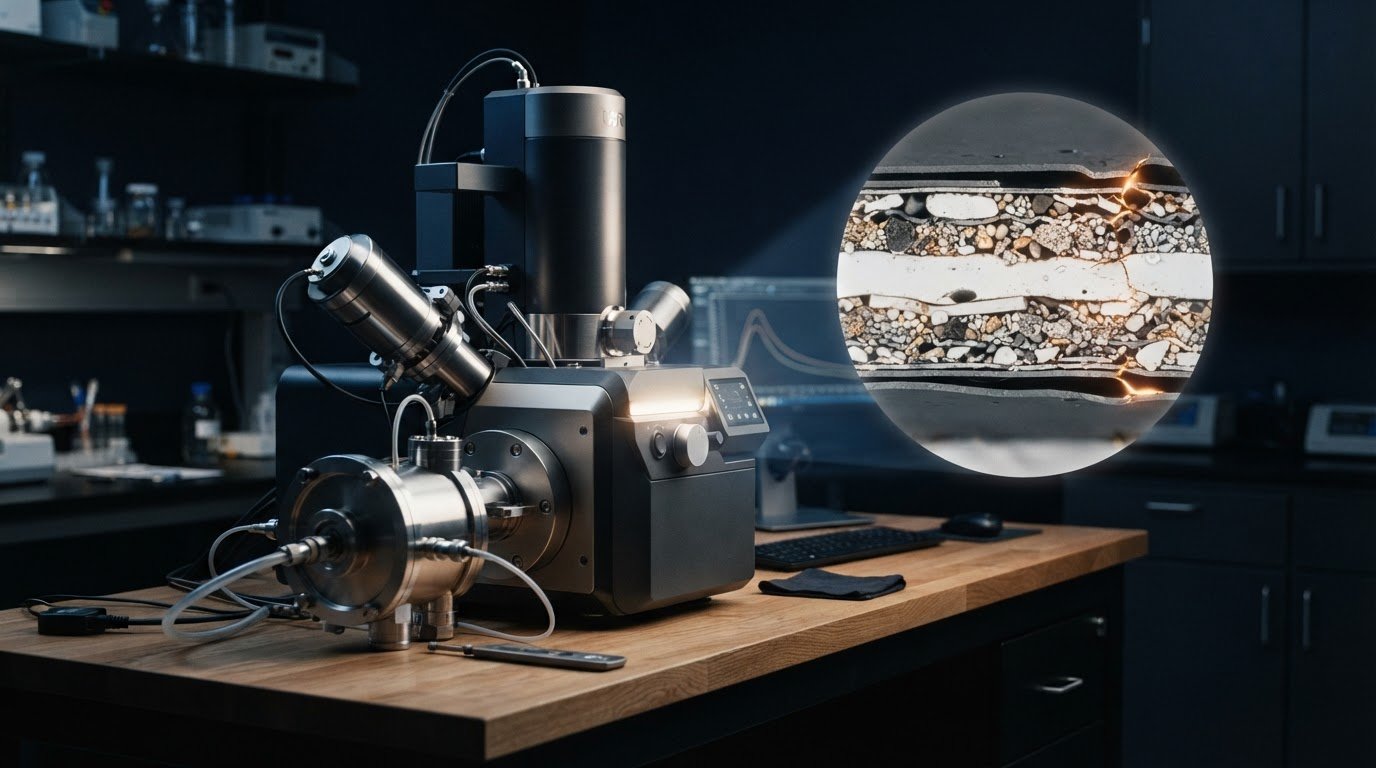
SEM for Battery Research and Development: Handling Sensitive Samples
Air-sensitive lithium-ion samples can be examined without direct exposure to air. An SEM for battery research and development can analyze...
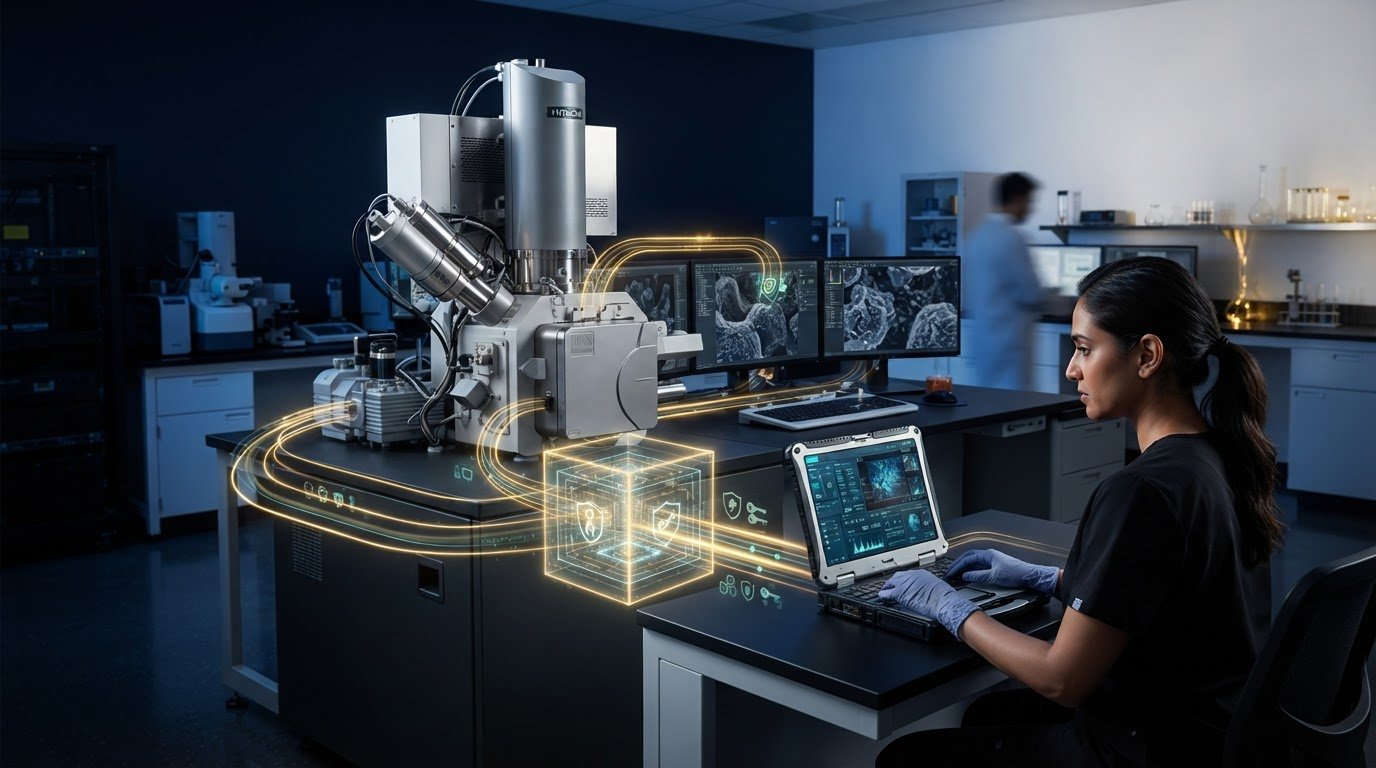
Networking and SEM for Remote Access: How It Works
Remote access to a scanning electron microscope requires more than screen-sharing software: the network must securely connect the user to the SEM...