
Tag: SEM Imaging
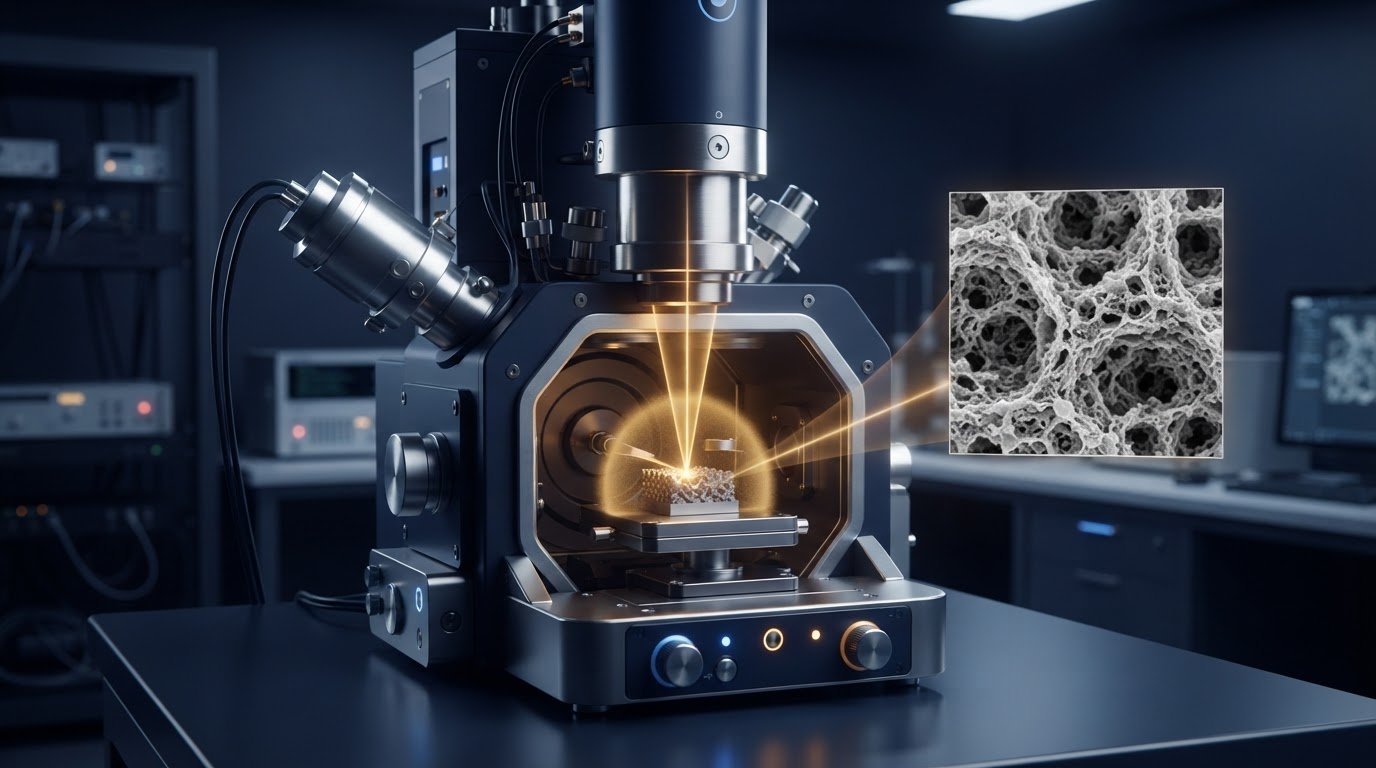
Understanding SEM Spot Size in Benchtop SEM Imaging
A smaller SEM spot can sharpen fine detail, but it is not automatically the best setting. Understanding SEM spot size means balancing probe diameter...
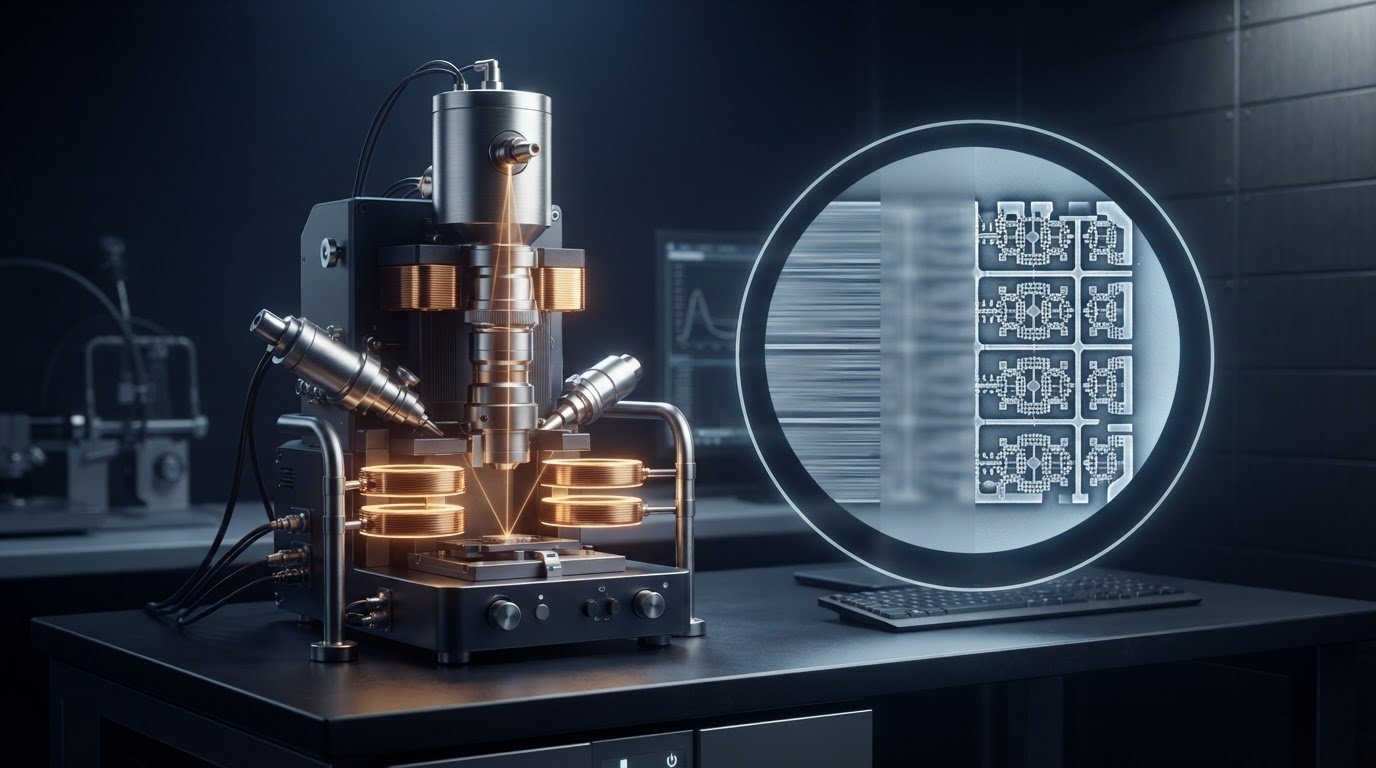
Astigmatism Correction in SEM: Understanding Image Blur
A sharp SEM image requires more than bringing the beam into focus: astigmatism can blur details in different directions. This guide explains...
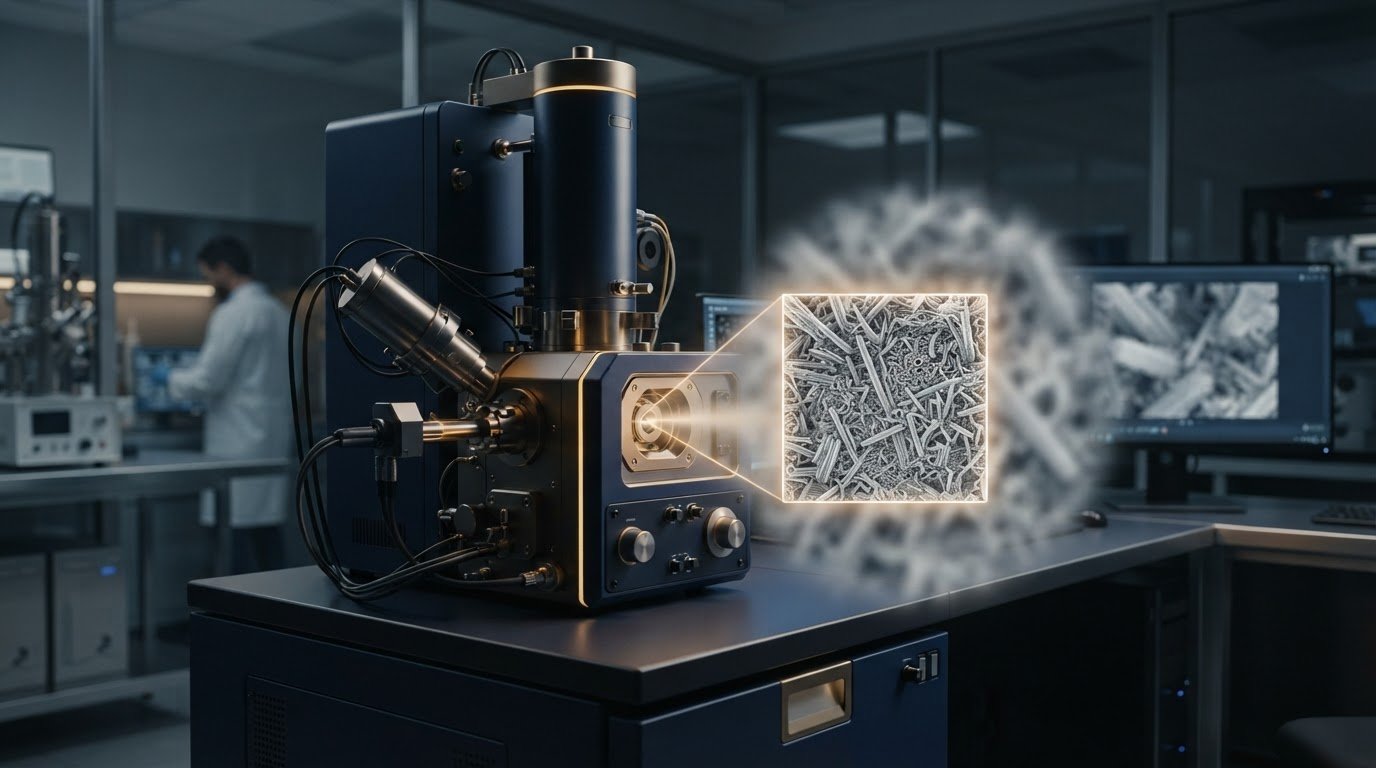
Maximizing SEM Imaging Resolution: Practical Methods for Clearer Results
More magnification can make an SEM image look larger without revealing another specimen feature. If fine details remain soft as you zoom in, the...
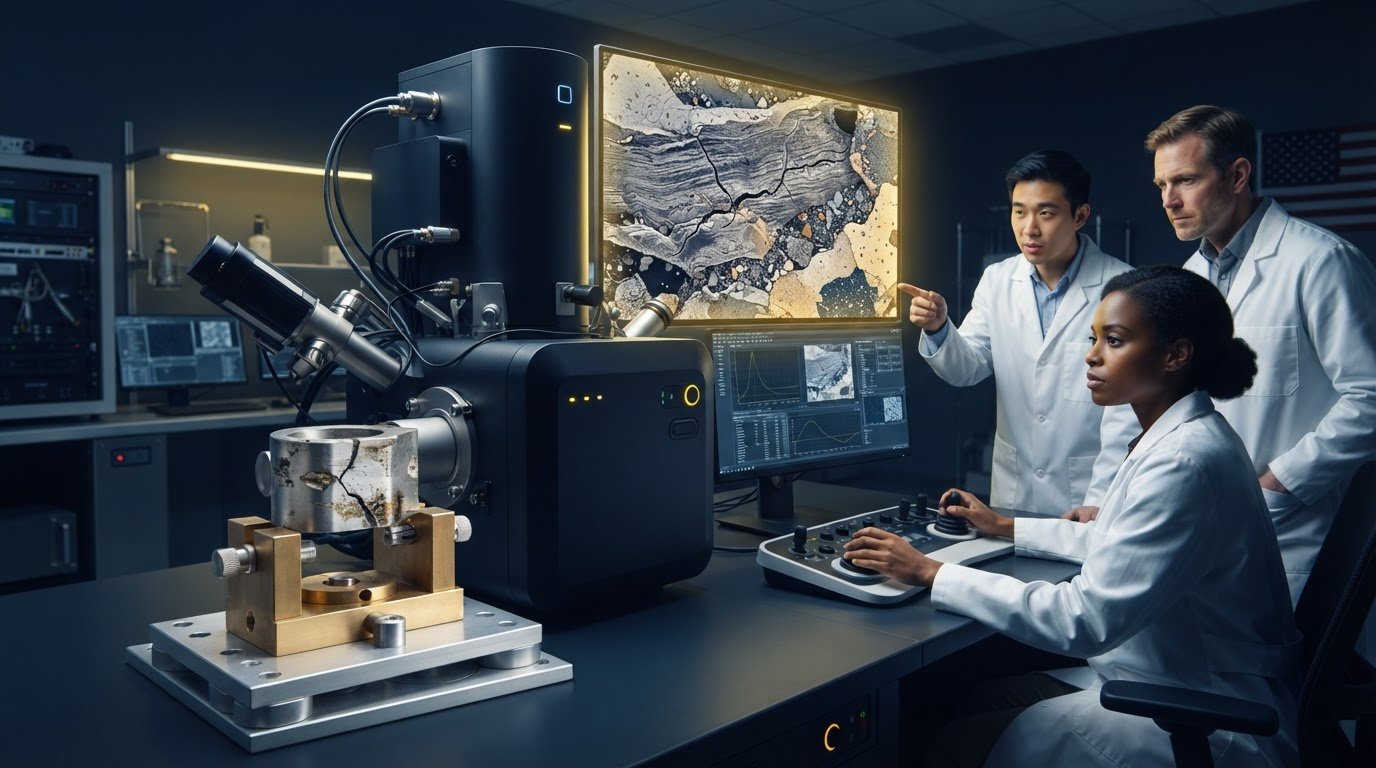
How SEM Helped Solve a Manufacturing Problem: From Defect to Root Cause
A visible defect is a starting point, not an explanation. A crack, residue, or unexpected surface feature can have several possible causes, leaving...
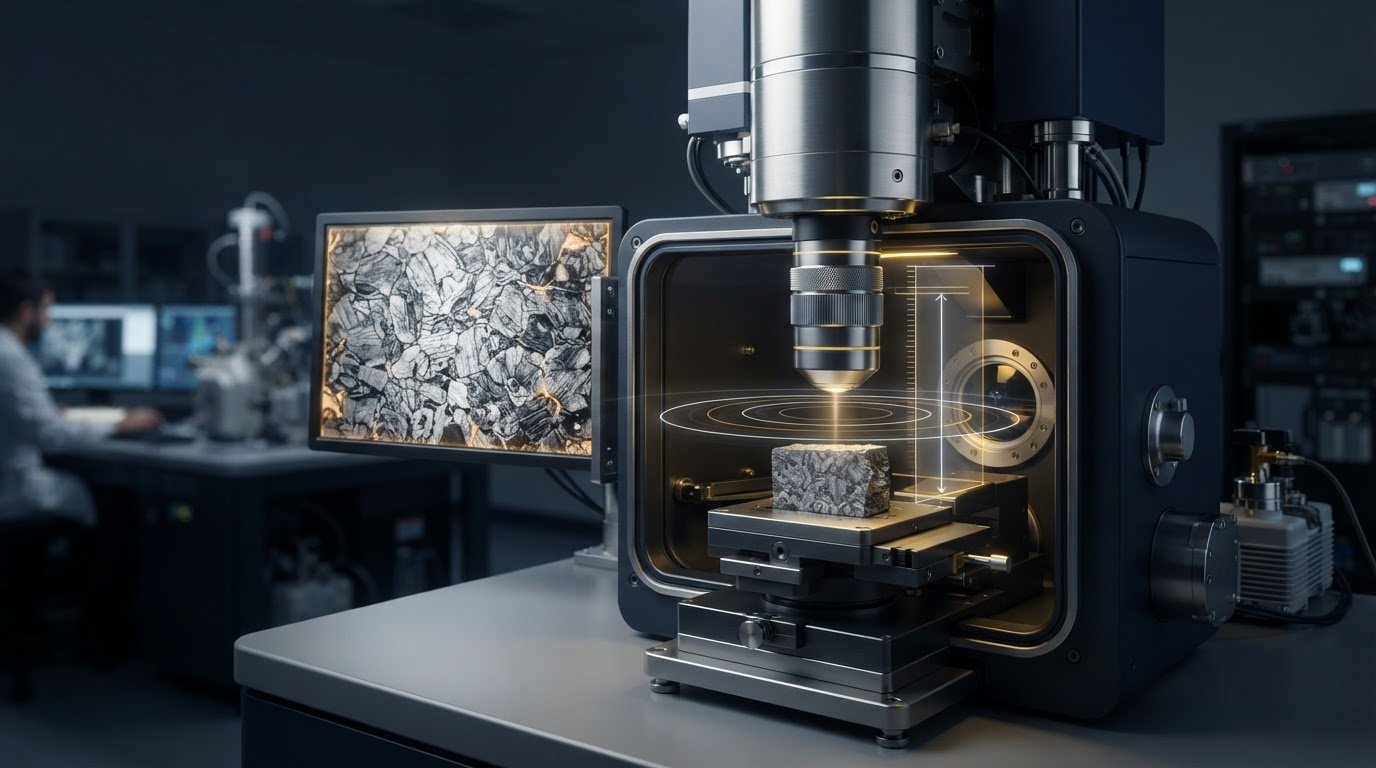
Working Distance Optimization in SEM: A Practical Guide
The shortest working distance isn’t automatically the best choice for an SEM image. Reducing it may support finer imaging conditions on some...
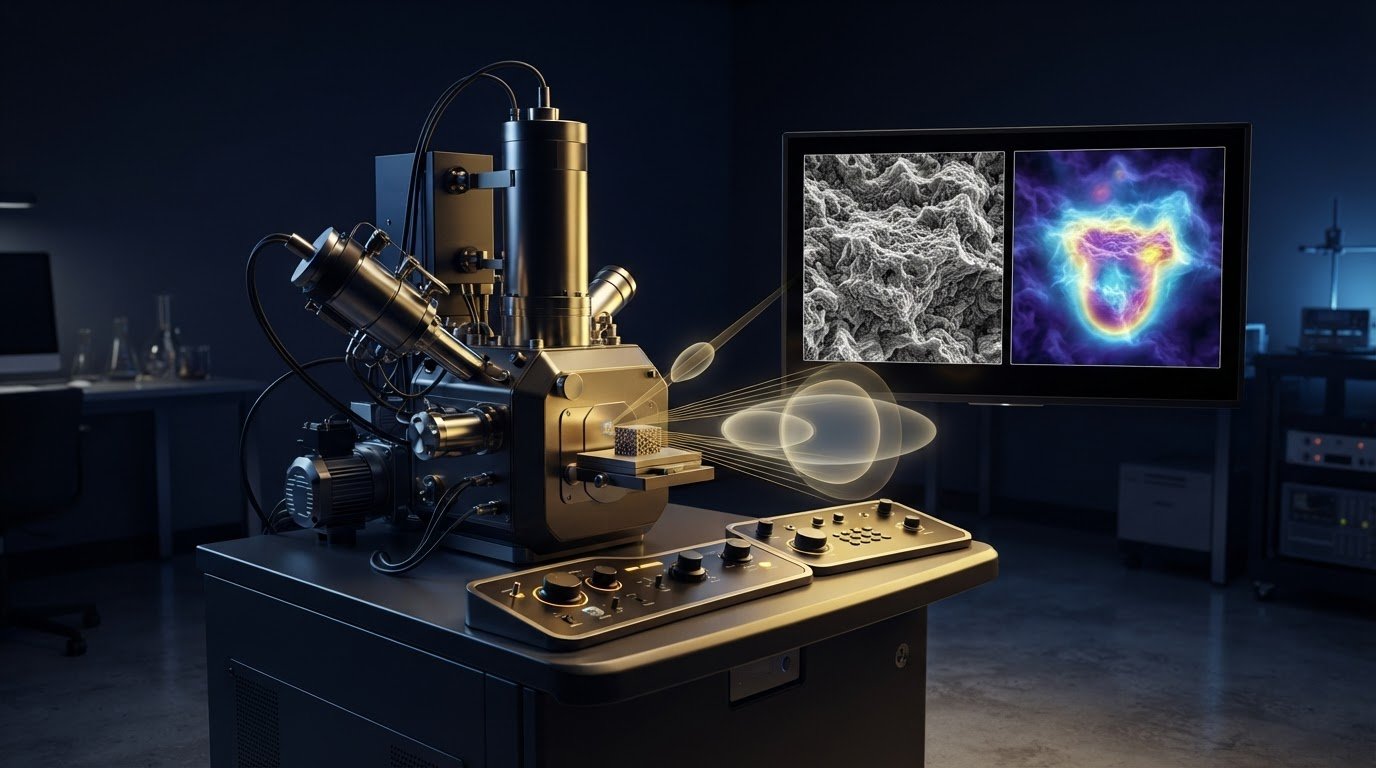
How to Choose the Right Accelerating Voltage for SEM Imaging
Higher accelerating voltage isn’t automatically better for SEM imaging. If you’re deciding how to choose the right accelerating voltage, start with...
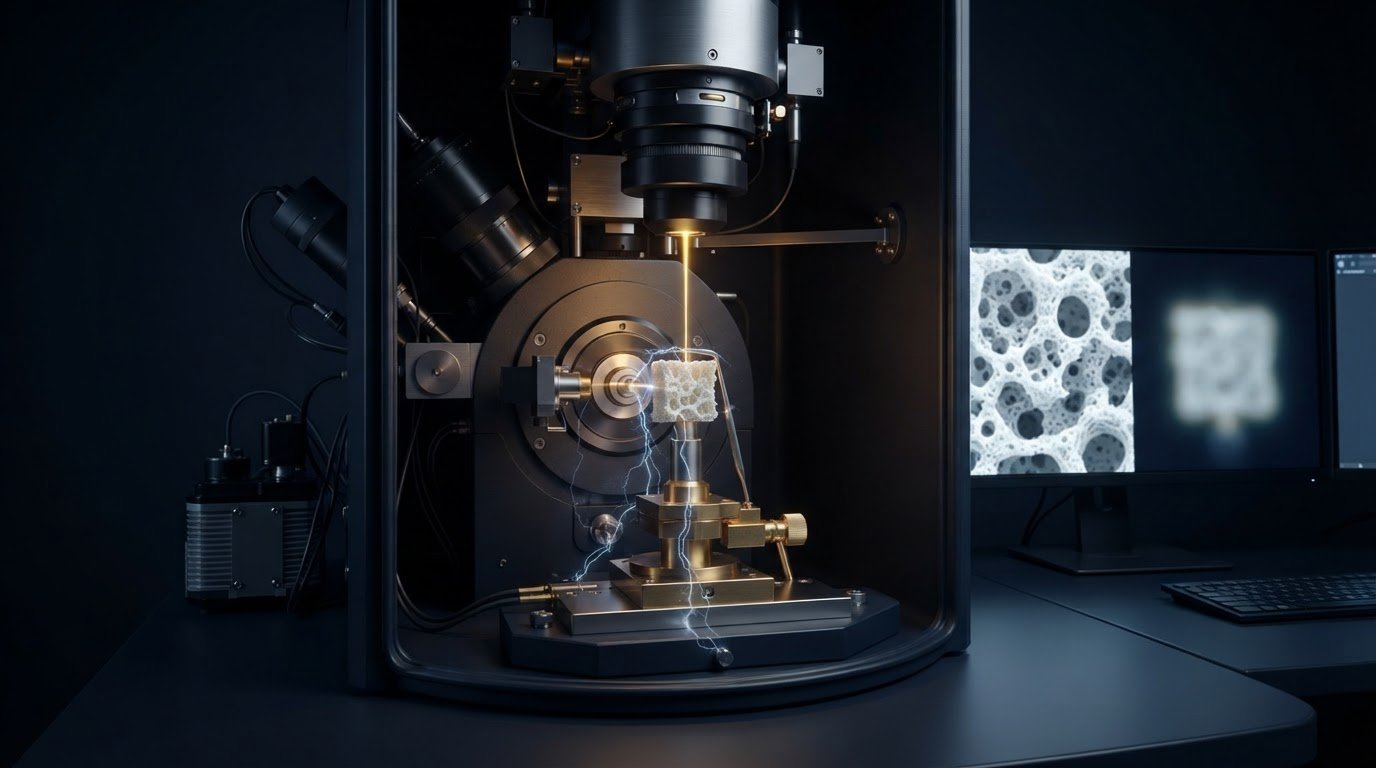
Avoiding Charging on Insulating Samples: 2026 SEM Guide
The pursuit of sub-nanometer resolution often founders not on the inherent limitations of the electron column, but on the volatile accumulation of...

Avoiding Sample Contamination in SEM: Professional Protocols for Pristine Imaging
Did you know that an estimated 65% of sub-optimal imaging outcomes in industrial laboratories are directly attributed to failures in the sample...