
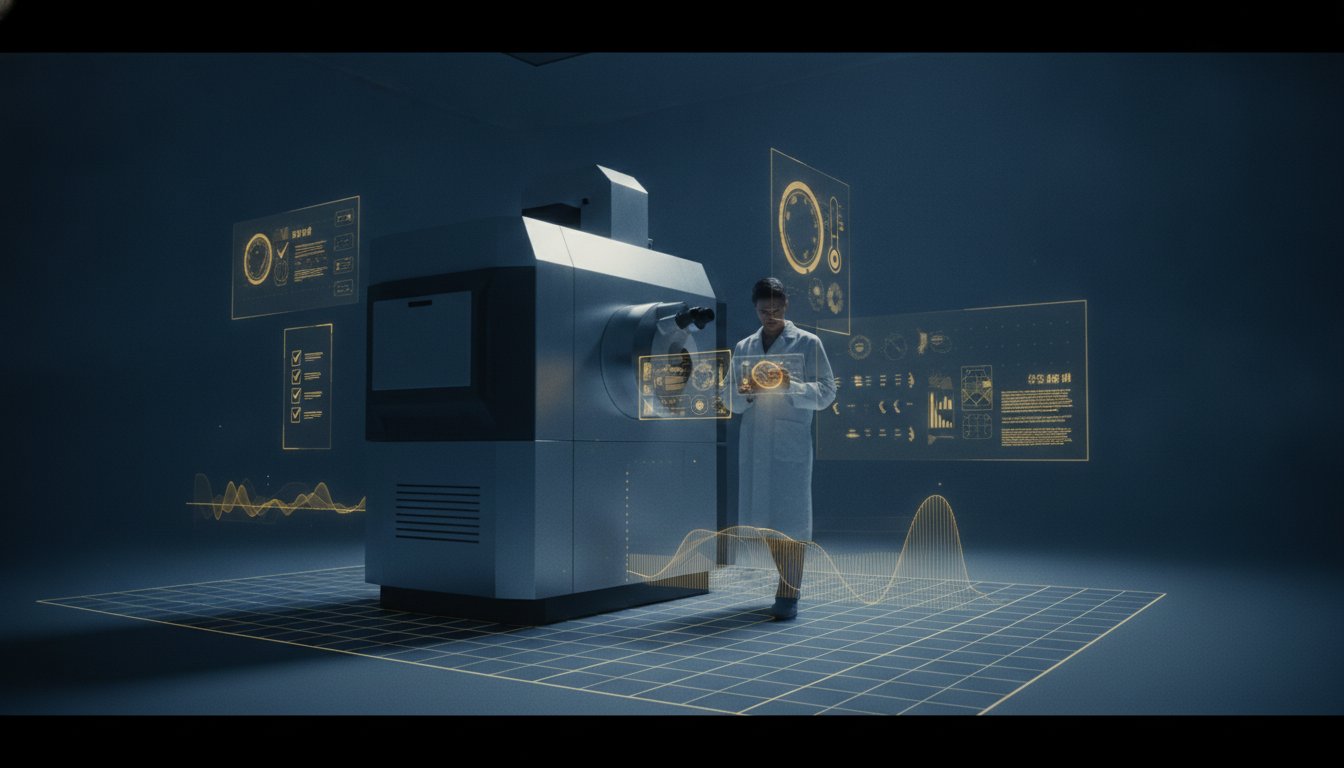
In 2025, over 72% of semiconductor fabrication laboratories relied on scanning electron microscopy for critical wafer inspection, yet a significant portion of these high-precision environments fail to achieve maximum resolution due to inadequate site preparation. The integration of advanced hardware like the Veritas series requires more than just floor space; it demands a meticulous environmental engineering project where site stability dictates the ultimate performance of the instrument. Utilizing a comprehensive sem installation requirements checklist is no longer an optional step for facility managers, it’s a foundational necessity to mitigate the pervasive fear of equipment damage and the uncertainty surrounding electromagnetic interference limits.
It’s understandable that the prospect of installing such sophisticated technology brings concerns regarding costly downtime and the adequacy of existing electrical infrastructure. We promise that by following this technical framework, you’ll secure the necessary verification for Cube II or Veritas series specifications while guaranteeing long-term ROI through immediate operational stability. This guide provides an expert-driven preview of the environmental modifications, utility requirements, and logistical standards essential for achieving a fail-safe installation in 2026.
Key Takeaways
- Define the optimal spatial footprint and ergonomic parameters to ensure the seamless integration of auxiliary systems and operator workflows.
- Implement a rigorous sem installation requirements checklist to neutralize environmental hazards such as electromagnetic interference and floor resonance.
- Secure technical infrastructure by verifying dedicated electrical grounding and vacuum exhaust specifications tailored for high-performance imaging systems.
- Orchestrate a fail-safe delivery sequence by auditing facility access points and documenting the integrity of sensitive electron optics during unboxing.
- Maximize long-term operational stability through specialized technical training and the adoption of a proactive preventative maintenance framework.
Pre-Installation Strategic Planning for Scanning Electron Microscopy
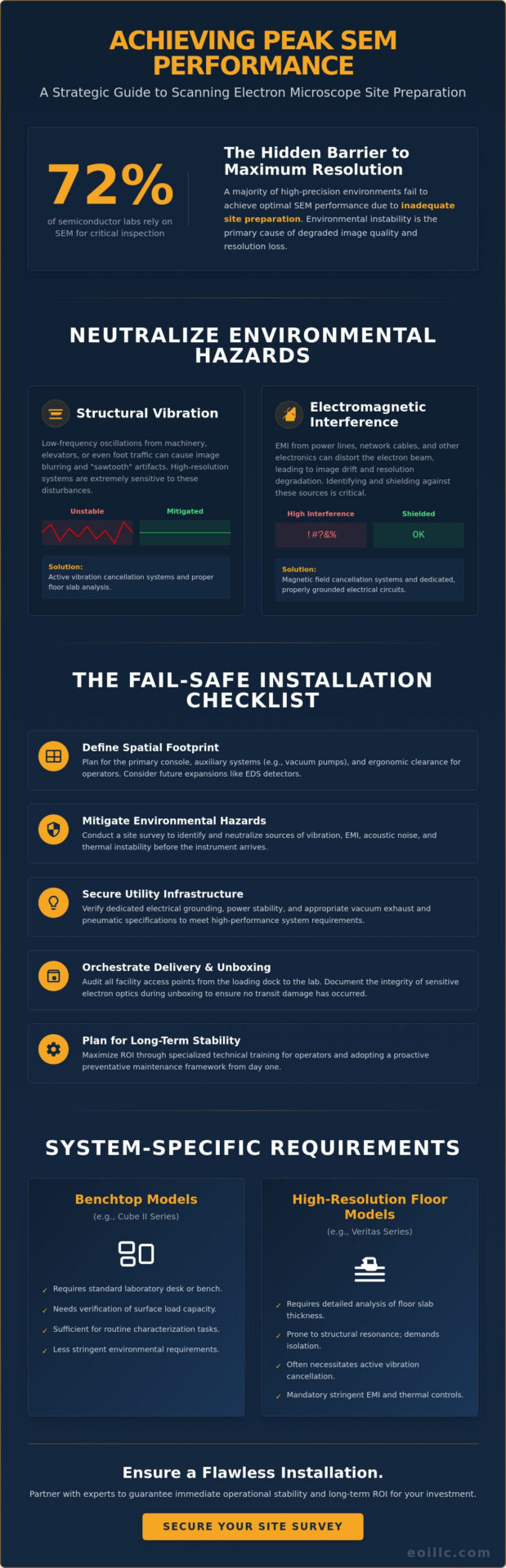
Successful deployment of a Scanning electron microscope (SEM) begins long before the instrument arrives at the facility loading dock. It requires a strategic alignment between architectural capabilities and technical specifications. This phase focuses on defining the physical footprint, which must account for the primary console, auxiliary vacuum pumps, and sufficient ergonomic clearance for the operator. Neglecting these spatial dynamics often leads to restricted airflow or hindered access during service intervals. Assigning a dedicated project manager is a critical prerequisite; this individual serves as the primary liaison between the vendor’s application scientists and the facility’s engineering team to ensure every item on the sem installation requirements checklist is addressed with precision.
Defining the Installation Scope
Benchtop units like the Cube II require significantly different structural considerations than the high-resolution Veritas Series SEM floor models. While a benchtop system might occupy a standard laboratory desk, its total system weight still necessitates a verification of surface load capacities. Larger floor-standing units require a detailed analysis of floor slab thickness to prevent structural resonance. Planning must also encompass future modular expansions. Integrating EDS (Energy Dispersive Spectroscopy) systems or other analytical detectors requires additional lateral space and utility ports that must be factored into the initial site blueprint.
The Site Survey Process
The site survey serves as a transformative diagnostic tool to prevent imaging artifacts and resolution degradation. By identifying potential sources of acoustic noise or thermal instability before the instrument’s arrival, laboratories can implement corrective shielding or climate control modifications. This process involves documenting baseline environmental data, which becomes a vital reference point for future warranty claims and performance audits. Establishing a clear communication channel with your SEM maintenance provider during this stage ensures that the facility’s long-term infrastructure supports the instrument’s lifecycle requirements.
The operational timeline from the initial site audit to final instrument calibration typically spans several weeks. This duration allows for the systematic resolution of any infrastructure gaps identified during the survey. It ensures that when the engineers arrive for the final installation, the environment is stabilized and ready for the rigorous calibration protocols that define peak imaging performance. Adhering to this structured approach guarantees that the sem installation requirements checklist serves as a roadmap for immediate operational stability and long-term research excellence.
Environmental Integrity: Mitigating Vibration and Electromagnetic Interference
Environmental stability represents the invisible foundation upon which high-resolution electron microscopy is built. Achieving nanometer-scale precision requires a site that is isolated from the chaotic mechanical and electromagnetic signatures of a modern industrial facility. Incorporating environmental metrics into your sem installation requirements checklist ensures that the instrument operates within its designed tolerances, preventing the “sawtooth” edges or image blurring caused by external interference. This level of meticulousness is essential for maintaining the operational integrity of advanced systems like the Veritas series.
Managing Structural Vibration
Structural resonance is the primary antagonist of high-magnification imaging. While passive isolation tables suffice for routine characterization, high-resolution field emission systems often necessitate active vibration cancellation systems that counteract low-frequency oscillations in real-time. Laboratories located on upper floors or near loading docks are particularly susceptible to these disturbances, as heavy machinery and elevators generate significant floor tremors. For high-resolution imaging, the maximum allowable floor vibration should ideally not exceed 0.25 microns per second within the critical frequency range of 1 to 50 Hz.
EMI and Stray Magnetic Fields
Stray magnetic fields from high-voltage conduits, elevators, or nearby transformers can induce beam deflection, resulting in distorted micrographs. A comprehensive survey of Infrastructure Requirements for SEM must include magnetic field mapping to identify these invisible hazards. Even a compact desktop sem must be positioned away from high-traffic electrical conduits to maintain the integrity of its electron optics. If ambient fields exceed manufacturer specifications, room-level Mu-metal shielding or active field cancellation coils may be required to stabilize the beam and ensure consistent analytical results.
Acoustic noise from high-velocity HVAC systems or poorly dampened vacuum pumps can vibrate the electron column, introducing periodic noise into the signal. Maintaining a stable thermal environment is equally vital, as temperature fluctuations cause the column components to expand or contract, leading to focal drift. Humidity must be strictly controlled to prevent electrostatic discharge or oxidation of sensitive electronics. For organizations seeking to verify these environmental parameters, scheduling preventative maintenance visits can provide a professional assessment of site stability and help maintain the high-end quality of your imaging output over time.
Utility Infrastructure: Electrical, Vacuum, and Pneumatic Specifications
The transition from environmental stabilization to utility provisioning marks a critical phase in the site readiness process. While the previous sections addressed passive environmental factors, the utility infrastructure represents the active systems required to sustain the complex electron optics of modern instruments. A comprehensive sem installation requirements checklist must prioritize the engineering of dedicated electrical circuits and specialized vacuum logistics to prevent operational volatility. Failure to synchronize these utilities with the instrument’s technical specifications often results in intermittent signal noise or catastrophic hardware failure during power fluctuations.
Precision Electrical Requirements
Dedicated electrical infrastructure is non-negotiable for the Veritas series, where voltage stability is paramount for maintaining the integrity of the electron beam. A single-point ground is essential to eliminate ground loops that introduce artifacts into the imaging signal. While benchtop models like the Genesis or Cube II offer greater flexibility, they still require surge protection and stable current to protect their sensitive electronics. International facilities must also account for local power configurations, ensuring that transformers or voltage regulators are in place to meet the rigorous standards of high-performance microscopy. Voltage fluctuations should be strictly monitored to ensure they remain within the manufacturer’s specified tolerances, typically not exceeding a few percentage points from the nominal value.
Vacuum and Gas Handling
Vacuum system logistics extend beyond the physical placement of the pump. High-vacuum floor models require dedicated exhaust venting to remove oil mist or process gases from the laboratory environment. In contrast, air-cooled benchtop models like the Genesis rely on unobstructed airflow for heat dissipation, making site ventilation a key consideration. If the application involves variable pressure or environmental modes, the infrastructure must support the secure delivery of specialized gases. For systems utilizing pneumatic air-leveling, a clean and dry air supply is mandatory to ensure the vibration isolation system remains functional and responsive to structural tremors.
Protecting the vacuum integrity and the electron source during an unforeseen power event is a strategic necessity. An Uninterruptible Power Supply (UPS) provides a vital buffer, allowing the system to initiate a controlled shutdown or maintain the vacuum until power is restored. This proactive measure prevents the oxidation of filaments and consumables, safeguarding the laboratory’s long-term operational investment. By integrating these utility requirements into the sem installation requirements checklist during the initial planning phase, facility managers ensure that the technical integration of their hardware is both sustainable and reliable.
The SEM Installation Checklist: A Step-by-Step Execution Framework
Execution of the final installation represents the culmination of weeks of environmental and utility preparation. This phase transforms a prepared site into a functional analytical hub. Precision is paramount. Using a detailed sem installation requirements checklist during this stage ensures that no logistical bottleneck or technical misalignment compromises the instrument’s initial performance. Accuracy at this juncture is the difference between immediate operational stability and weeks of troubleshooting.
Logistics and Delivery Readiness
The arrival of a floor-standing Veritas Series SEM requires pre-verified access routes. Facility managers must confirm the availability of pallet jacks or forklifts capable of handling the unit’s specific weight and dimensions. Measuring doorway widths and hallway clearances is a prerequisite to ensure a friction-less path to the final lab location. For complex placements, coordinating with a professional rigging team prevents structural damage to the facility or the sensitive electron column. Every elevator dimension and threshold must be audited against the shipping crate’s footprint to avoid last-minute delays.
Commissioning and Performance Testing
Once the instrument is positioned, the physical assembly begins with leveling the column and integrating the sem vacuum system components. This step is followed by a rigorous unboxing inspection to document the condition of the electron optics. Commissioning involves standard aperture alignment and stigmation calibration to ensure the beam is perfectly centered and focused. Performance is then verified through the gold-on-carbon resolution test, which serves as the definitive benchmark to confirm the system meets or exceeds factory specifications in its new environment.
Verification of auxiliary systems, such as EDS detector resolution and throughput, must occur within the context of the installed environment to account for any local interference. Finalizing the setup for advanced sem techniques allows researchers to push the boundaries of high-resolution analytical microscopy from day one. To ensure your team is prepared for these complex workflows, you should review our professional guide to SEM operation.
The process doesn’t end with a successful resolution test. Bridging the gap between a calibrated instrument and a productive lab requires comprehensive operational training for staff. This ensures that the technical prowess of the hardware is matched by the expertise of the operators, maximizing the return on investment through superior data quality and minimized user-induced downtime. Adhering to the final steps of the sem installation requirements checklist guarantees that your facility is not just ready, but optimized for the next generation of industrial innovation.
Optimizing Operational Stability through Professional Implementation
The successful physical deployment of a scanning electron microscope marks the transition from facility preparation to operational excellence. While the sem installation requirements checklist ensures that the environment is technically sound, the ultimate utility of the instrument depends on the proficiency of the laboratory personnel and the rigor of the post-installation support framework. Achieving peak imaging performance is an ongoing endeavor. It requires a synergy between high-end hardware like the Veritas series and the expert-driven workflows of the research team. Precision is paramount. Operational stability doesn’t happen by accident.
Training and Knowledge Transfer
Professional implementation include comprehensive on-site technical training designed to bridge the gap between theoretical capability and practical application. These sessions focus on sample preparation techniques and imaging optimization. This ensures that users can extract maximum resolution from their Cube II or Veritas HR SEM. It’s essential to educate staff on routine maintenance tasks, such as the precise replacement of SEM filaments, to maintain operational uptime. For multi-user facilities, developing robust Standard Operating Procedures (SOPs) is a critical step in preserving the integrity of the electron optics and ensuring consistent analytical results across different research projects. Knowledge transfer is the foundation of ROI.
Long-Term Service and Support
Maintaining the meticulous standards established during the initial site audit requires a structured approach to long-term care. Establishing a preventative maintenance schedule is the most effective method for ensuring that the instrument remains at peak performance through 2026 and beyond. Annual service contracts provide laboratories with priority technical support and rapid component replacement, mitigating the potential for costly downtime. These visits allow for the deep-cleaning of column components and the recalibration of the vacuum system. These tasks go beyond the scope of daily user maintenance. Stability is a continuous process.
Integrating the Cube II or Veritas series into existing laboratory workflows requires a visionary outlook on industrial performance. As research needs evolve, the laboratory might require relocation to a different facility or a more advanced cleanroom environment. Leveraging professional relocation services is vital for these transitions, as it ensures that the sensitive internal alignment is preserved during transit. By adhering to a rigorous sem installation requirements checklist even during moves, organizations protect their capital investment and maintain a steady flow of high-quality data. This commitment to meticulousness ensures that the laboratory’s reputation for reliability and innovation remains unchallenged in the competitive landscape of specialized industrial sectors. Expert implementation is the final step in securing a future-proof analytical environment.
Securing the Future of High-Resolution Analytical Infrastructure
The transition from a raw laboratory space to a high-performance imaging center requires a comprehensive sem installation requirements checklist that addresses the intricate synergy between facility infrastructure and electron optics. By prioritizing environmental stability and utility precision, organizations eliminate the technical barriers that often hinder nanometer-scale research. This strategic foresight ensures that every imaging session yields the highest possible data integrity while protecting the long-term utility of the hardware. Achieving this level of site readiness is the final step in transforming a capital investment into a cornerstone of industrial innovation.
Electron Optics Instruments, LLC leverages over 30 years of industry experience in electron optics to provide the specialized guidance necessary for these complex deployments. As the exclusive US distributor for EmCraft Scanning Electron Microscopes, we bridge the gap between advanced manufacturing and practical laboratory application. Our comprehensive service contracts extend to all major SEM manufacturers, offering a unified support framework that prioritizes operational uptime and technological longevity. This expert-driven approach ensures that your facility maintains its competitive edge through 2026 and beyond.
Take the final step toward institutional site readiness. Request a Professional Site Survey from Electron Optics Instruments, LLC to verify your facility’s technical specifications. We’re committed to helping you build a stable, visionary environment for your next phase of industrial growth.
Frequently Asked Questions
Do I need a dedicated electrical circuit for a benchtop SEM like the Cube II?
Yes, a dedicated electrical circuit is highly recommended for the Cube II benchtop SEM to prevent voltage fluctuations from other laboratory equipment. While these compact units are designed for greater flexibility, maintaining a stable current is vital to protect sensitive electron optics and ensure consistent imaging results. Integrating this requirement into your sem installation requirements checklist prevents intermittent signal noise that often arises from shared electrical lines.
What is the maximum allowable vibration for high-resolution SEM imaging?
For high-resolution imaging, structural vibrations should ideally not exceed 0.25 microns per second within the critical frequency range of 1 to 50 Hz. Exceeding these thresholds can lead to significant image blurring or sawtooth artifacts. If your facility exceeds these limits, implementing active vibration cancellation systems or specialized isolation tables becomes a mandatory technical prerequisite to maintain the integrity of the electron beam.
Can I install a scanning electron microscope in a room with windows?
Installation in a room with windows is possible but generally discouraged due to the risks of thermal instability and electromagnetic interference. Direct sunlight can cause rapid temperature fluctuations, leading to focal drift in the electron column. If windows are present, they must be treated with thermal shielding and light-blocking materials to ensure the environment remains stabilized for the rigorous demands of high-magnification microscopy.
How much clearance space is required around a floor-standing SEM for maintenance?
A minimum clearance of 0.5 to 1 meter is typically required around the perimeter of a floor-standing SEM to facilitate technical access and routine maintenance. This space allows service engineers to reach auxiliary components, such as vacuum pumps and electrical panels, without obstructing the primary console. Proper spatial planning ensures that preventative maintenance visits are conducted efficiently, maximizing the long-term operational stability of the Veritas series.
Does the SEM vacuum system require special venting to the outside?
High-vacuum models utilizing mechanical rotary pumps require dedicated exhaust venting to safely remove oil mist or process gases from the laboratory environment. While some air-cooled benchtop models use dry pumps that don’t require external venting, larger floor-standing units must be integrated into the facility’s exhaust infrastructure. This step is a critical component of the sem installation requirements checklist to ensure both equipment longevity and personnel safety.
What happens if the power fails during an SEM imaging session?
An unmanaged power failure can lead to an immediate loss of vacuum integrity and potential oxidation of the electron source. This risk is mitigated by installing an Uninterruptible Power Supply (UPS), which provides sufficient buffer time for a controlled system shutdown. Without a UPS, a sudden outage may necessitate a lengthy bake-out procedure or the replacement of sensitive filaments and consumables to restore imaging performance.
Is on-site training included with the installation of a new Veritas SEM?
Comprehensive on-site technical training is typically included with the installation of a new Veritas SEM to ensure staff can maximize the instrument’s utility. These sessions cover essential operational workflows, including sample preparation, imaging optimization, and routine maintenance tasks. This professional knowledge transfer is designed to bridge the gap between technical capability and industrial performance, securing immediate operational stability for the facility.
How do I prepare my floor for the weight of a refurbished SEM unit?
Preparing a floor for a refurbished SEM unit involves verifying the structural load capacity and analyzing the slab for resonance. Even refurbished models require a stable, level foundation to prevent structural tremors from degrading image quality. It’s essential to consult with facility engineers to ensure the floor meets the specific weight distribution requirements of the instrument, preventing long-term structural settling or alignment issues.