
Category: News & Updates
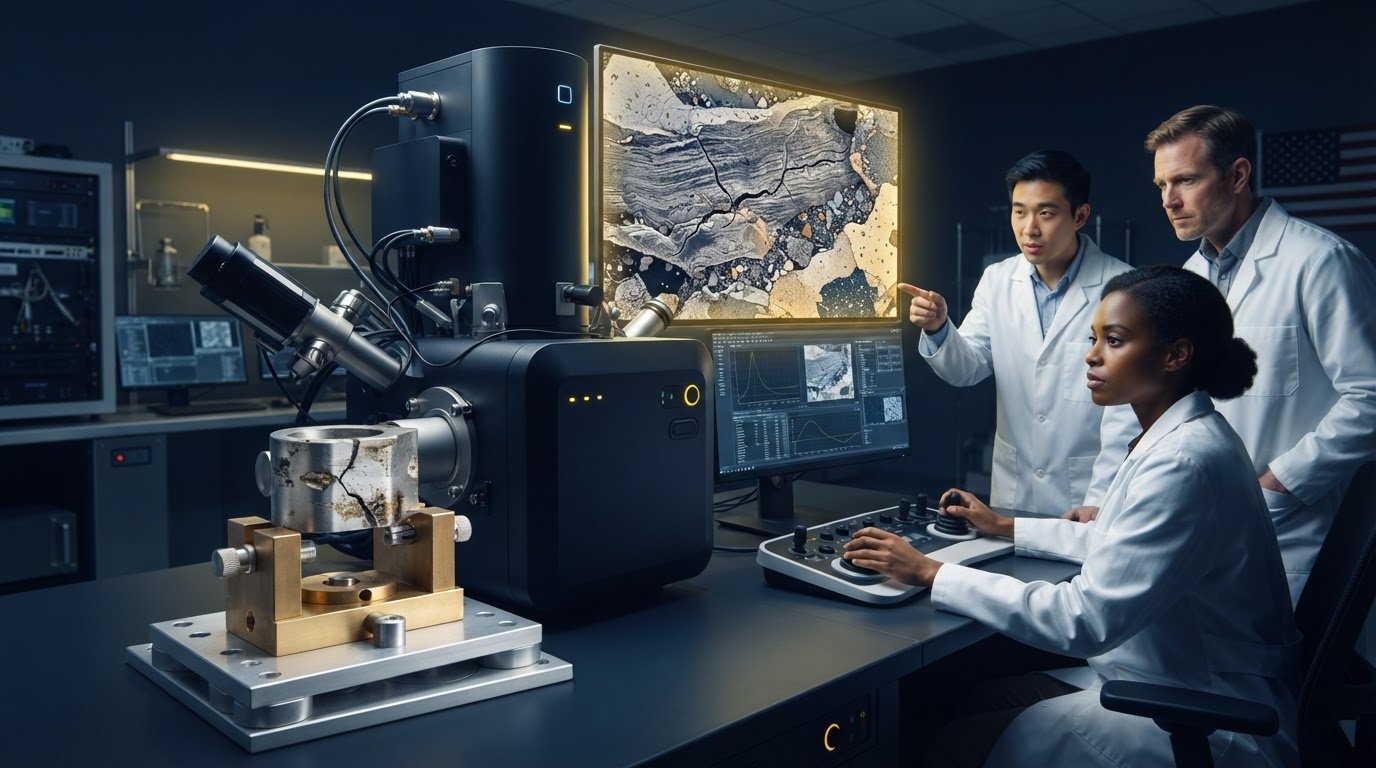
How SEM Helped Solve a Manufacturing Problem: From Defect to Root Cause
A visible defect is a starting point, not an explanation. A crack, residue, or unexpected surface feature can have several possible causes, leaving...
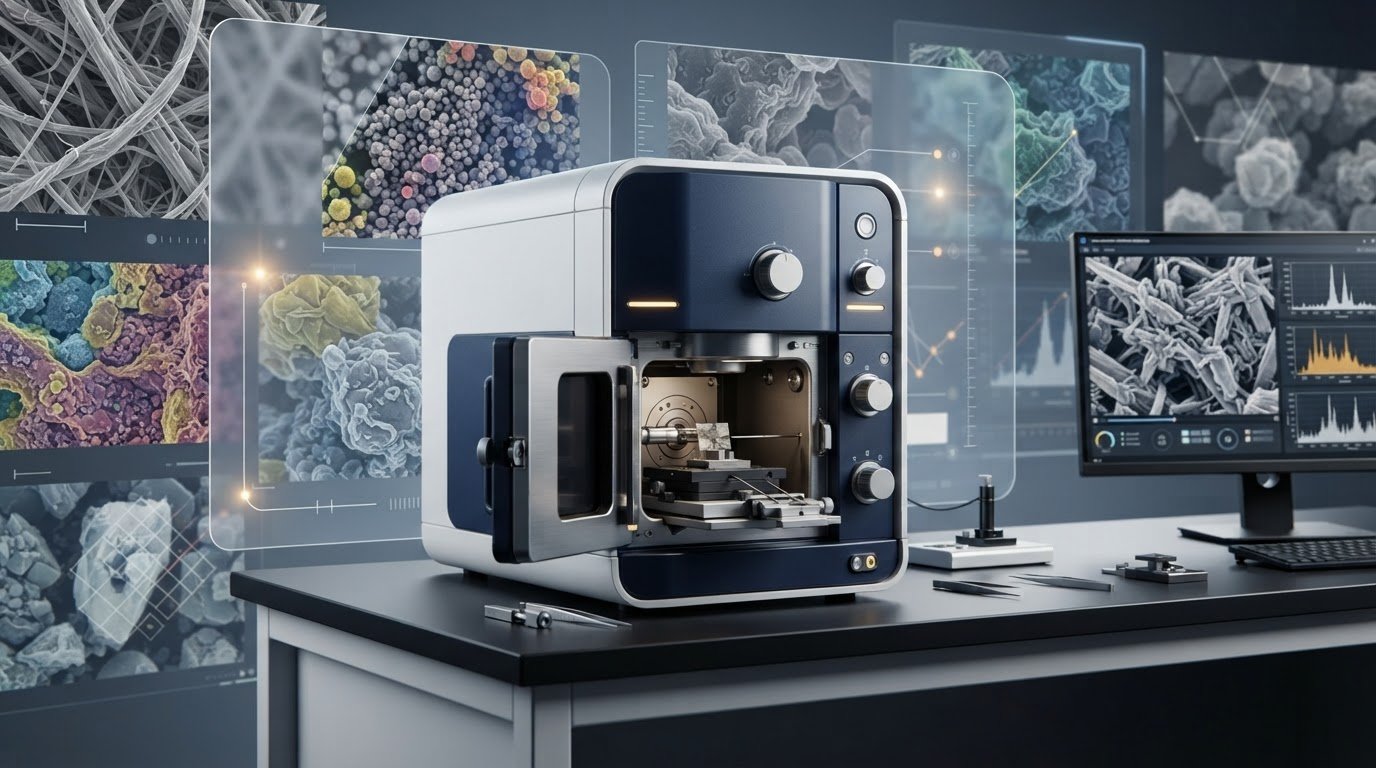
Peer-Reviewed Papers Using Benchtop SEM: Applications, Methods, and Evaluation
What can a peer-reviewed paper using a benchtop SEM actually prove about the instrument? It shows how a system was used to investigate a particular...
Benchtop SEM: Core Facility Scheduling and Billing
Fair access to an SEM depends on more than adding booking slots. For teams managing a benchtop SEM for core facilities, double bookings, unused...
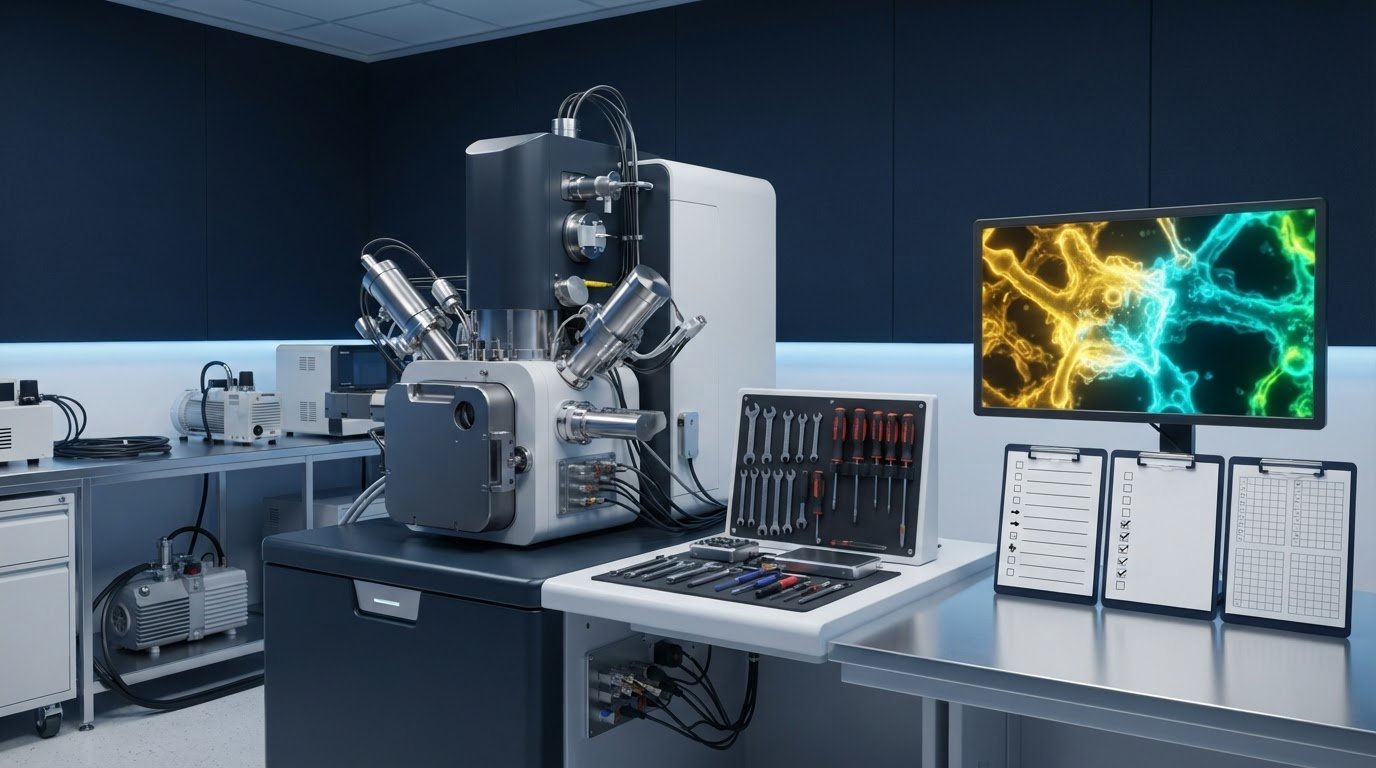
Evaluating SEM Service Contracts: A Practical Lab Equipment Checklist
What if an SEM service contract with a broad-sounding tier still leaves your laboratory exposed to the downtime that matters most? Evaluating sem...
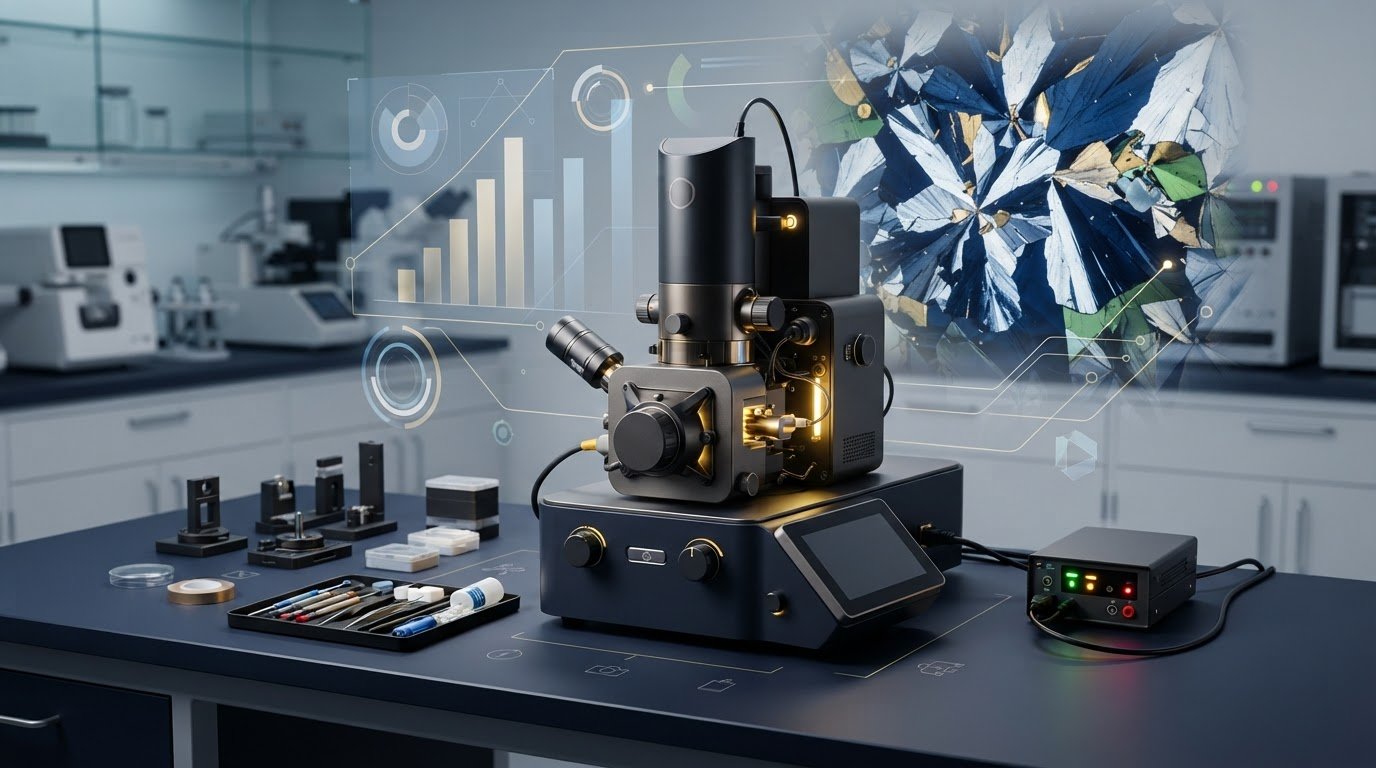
Annual Cost to Run a Tabletop SEM: 2026 Budget Guide
What if the most defensible annual cost to run a tabletop SEM isn’t a single industry average, but a model built around your lab’s actual workload?...
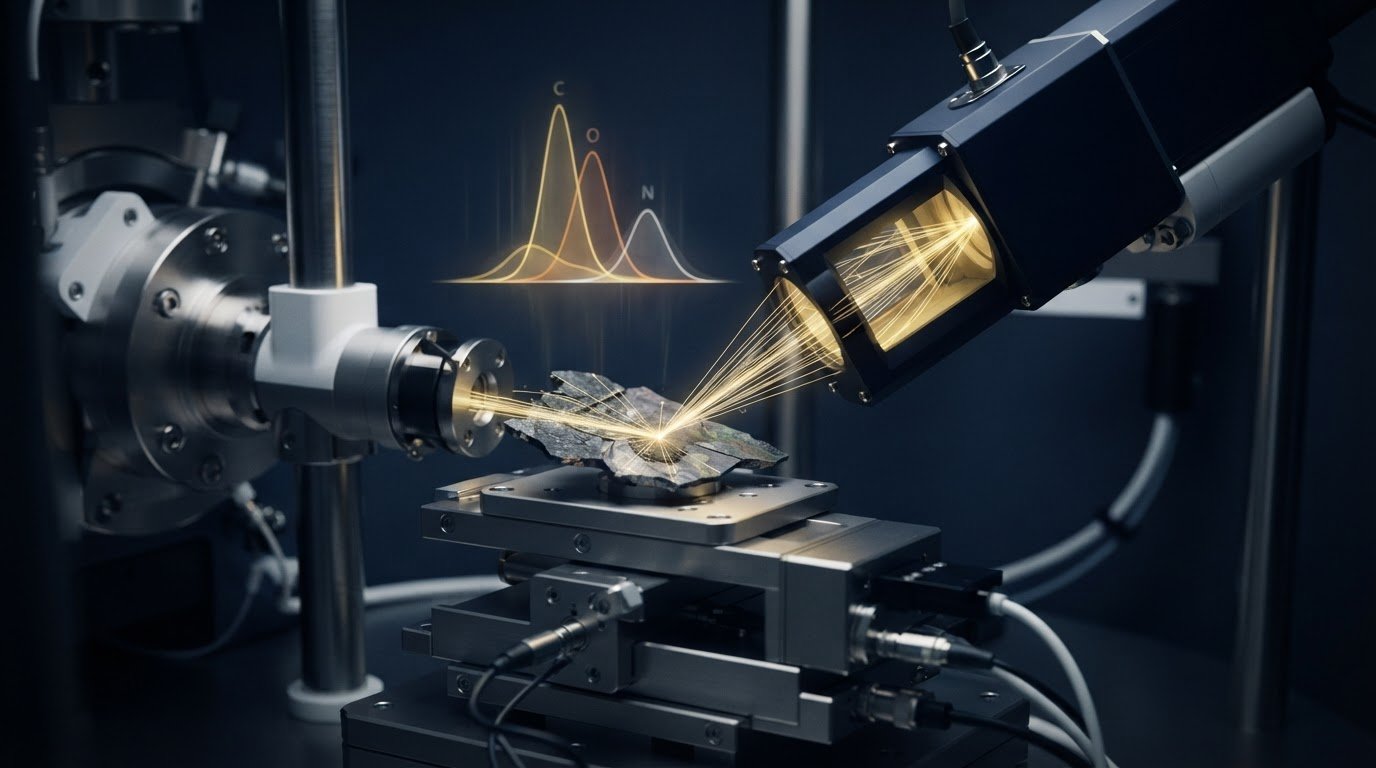
Light Element Detection with EDS: Principles, Limits, and Practical Guidance
A detector that registers low-energy X-rays does not guarantee a reliable light-element result. In light element detection with eds, the signal must...
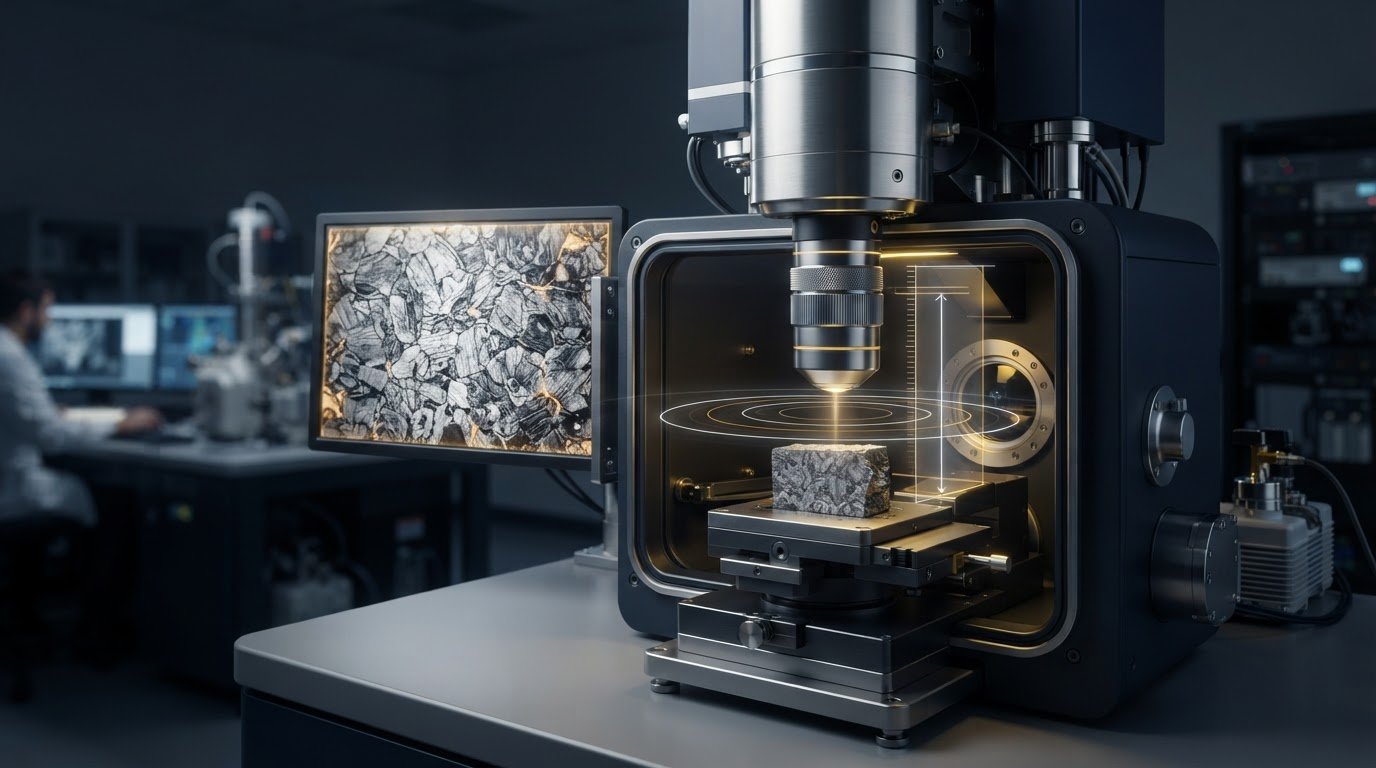
Working Distance Optimization in SEM: A Practical Guide
The shortest working distance isn’t automatically the best choice for an SEM image. Reducing it may support finer imaging conditions on some...
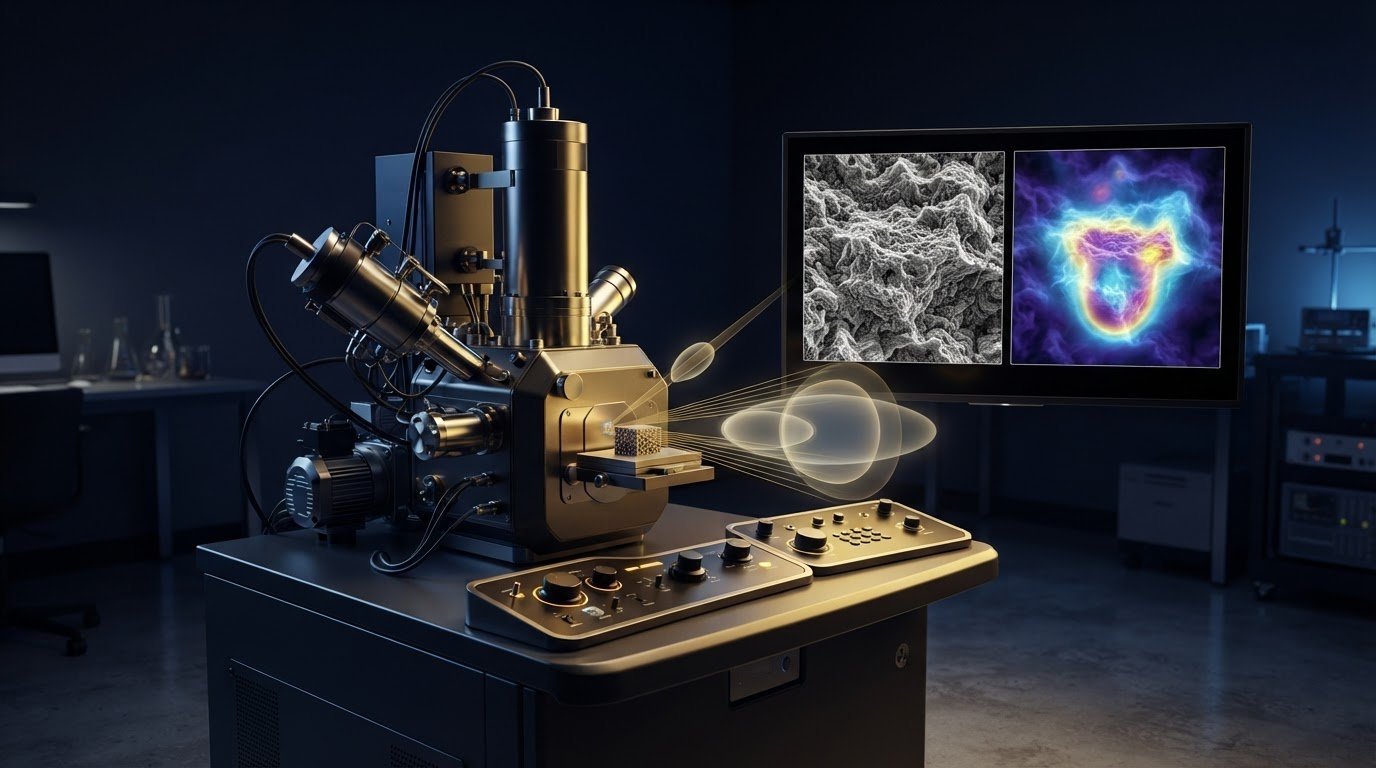
How to Choose the Right Accelerating Voltage for SEM Imaging
Higher accelerating voltage isn’t automatically better for SEM imaging. If you’re deciding how to choose the right accelerating voltage, start with...
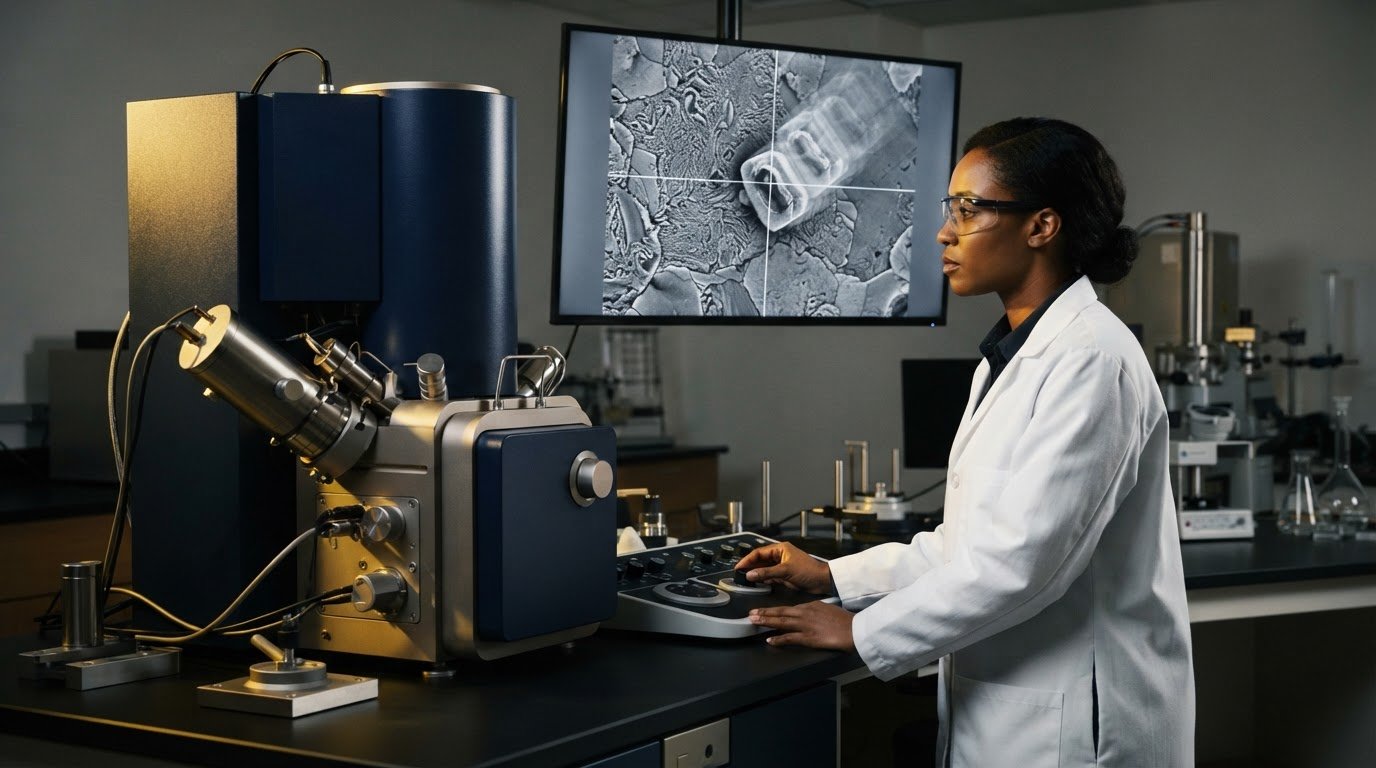
What Causes Image Drift in SEM? Root Causes and a Practical Diagnostic Guide
What if the SEM image is moving, but the specimen isn’t? A shifting feature can point to sample motion, stage instability, beam movement, or changing...