
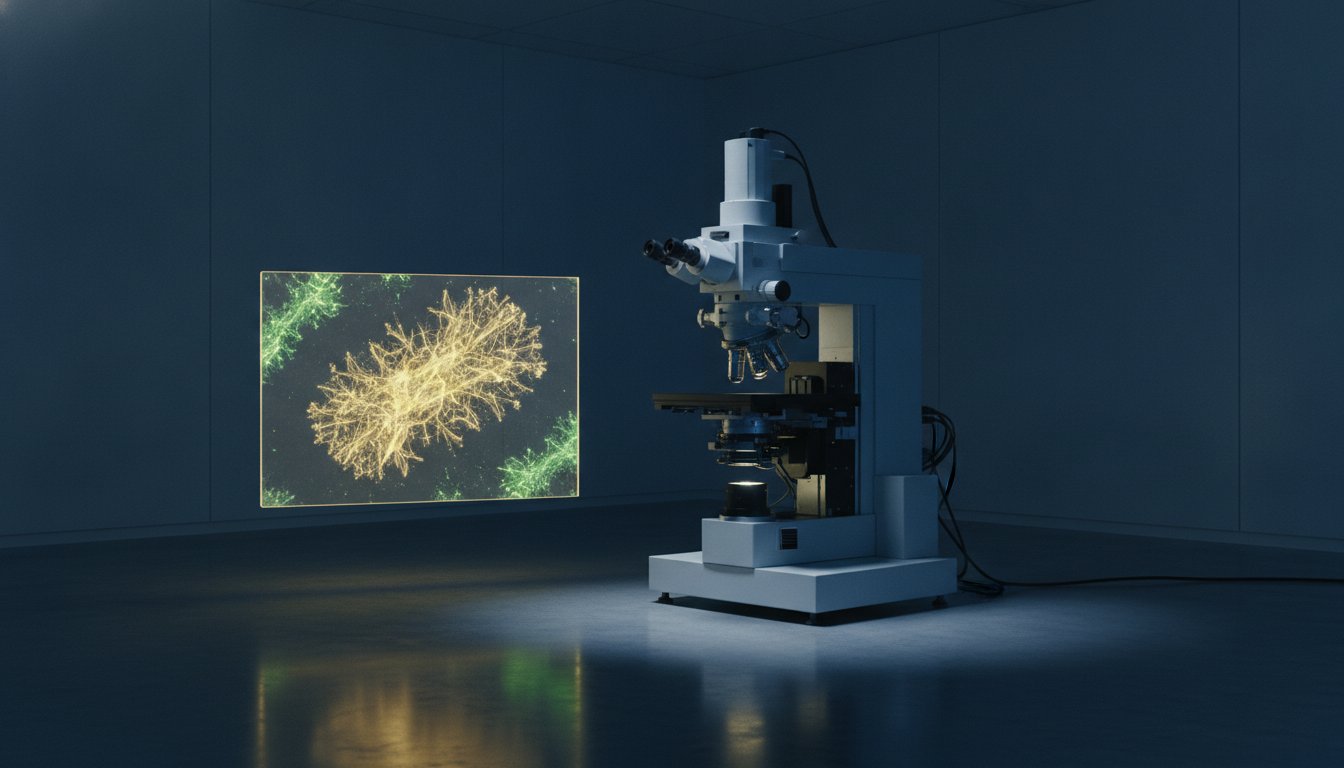
In the 2026 microscopy market, the acquisition of a refurbished scanning electron microscope represents a strategic pivot toward sustainable industrial performance rather than a compromise on technical precision. You likely recognize that the escalating capital expenditure required for new SEM models can stifle institutional innovation, especially when concerns regarding hidden vacuum failures or column degradation persist. It’s a common frustration to face the choice between prohibitive costs and the risk of purchasing unreliable hardware that lacks modern software compatibility.
This guide demonstrates how to secure tier-one imaging capabilities at a fraction of the cost by navigating the meticulous technical standards of high-quality refurbishment. You’ll learn how to identify systems that meet original manufacturer specifications through rigorous recalibration and technical overhaul. We’ll examine the critical benchmarks for vacuum integrity and modern software integration that transform legacy hardware into reliable, high-resolution assets for your laboratory, ensuring your facility achieves guaranteed uptime without the burden of excessive capital investment.
Key Takeaways
- Distinguish between professional refurbishment and simple equipment resale to ensure your investment yields tier-one imaging performance without the high capital expenditure of new hardware.
- Identify the critical technical stages of a comprehensive refurbished scanning electron microscope overhaul, including column decontamination and vacuum system optimization for sustained reliability.
- Evaluate the performance trade-offs between legacy floor models and modern benchtop solutions, such as the Cube II, to optimize laboratory space against specific resolution requirements.
- Learn to assess essential selection criteria, including electron source technology and verified manufacturer service history, to mitigate the risk of purchasing compromised equipment.
- Understand how integrating expert service contracts and modern software onto legacy platforms maintains operational uptime and future-proofs your industrial research capabilities.
The Strategic Advantage of a Refurbished Scanning Electron Microscope
The decision to integrate a refurbished scanning electron microscope into a high-precision laboratory environment represents a sophisticated alignment of fiscal responsibility and technical ambition. Unlike the acquisition of “as-is” equipment from unverified third-party resellers, professional refurbishment is a meticulous engineering process that restores an instrument to its peak operational baseline. This distinction is vital; a properly overhauled system provides the same reliability as a new unit while allowing organizations to bypass the steep depreciation curves typically associated with high-end capital hardware. Electron Optics Instruments, LLC leverages over 30 years of industry experience to ensure that every refurbished scanning electron microscope meets rigorous performance benchmarks, providing a stable platform for advanced research.
By 2026, the industrial sector has increasingly prioritized the synergy between ecological responsibility and performance. Extending the lifecycle of complex electron optics reduces the environmental footprint associated with manufacturing new systems from raw materials. This shift toward circular industrial cycles ensures that high-performing hardware remains in active service rather than contributing to technical waste. 2026 stands as a pivotal year because the secondary market has matured to include systems with advanced field emission sources, bridging the historical gap between affordability and modern resolution requirements.
Cost-Effectiveness in Modern Research
The primary driver for many facilities remains the substantial variance in electron microscope cost between new and pre-owned systems. By securing a refurbished model, labs can reallocate significant capital toward research personnel or specialized accessories like Energy Dispersive Spectroscopy (EDS) systems. This strategy allows institutions to access high-end imaging capabilities that might otherwise remain financially inaccessible, effectively democratizing advanced characterization tools for a broader range of industrial applications. Securing a refurbished floor model at a reduced price point provides an entry path for laboratories that intend to scale their operations toward new Veritas Pro or Veritas FE SEM systems in the future.
Technological Longevity and Upgradability
Legacy hardware often possesses a structural integrity that remains relevant for decades. Modern digital integrations and third-party imaging software can revitalize these systems, ensuring they meet contemporary data processing standards. Understanding the fundamental principles of scanning electron microscopy (SEM) in 2026 reveals that the underlying physics of the Scanning Electron Microscope (SEM) hasn’t changed. Instead, the method of signal capture and analysis has evolved. Consequently, a refurbished unit equipped with a modern digital interface often delivers results indistinguishable from current-generation models. This technological bridge allows researchers to maintain continuity in their workflows while benefiting from the latest advancements in image resolution and automated analysis.
The Anatomy of a Professional SEM Refurbishment Process
The refurbishment of a scanning electron microscope is a rigorous engineering endeavor that transcends the superficial cleaning often associated with used equipment. A refurbished scanning electron microscope must undergo a multi-stage technical overhaul to ensure its operational parameters align with original manufacturer specifications. This process begins with the complete disassembly of the electron column to facilitate deep decontamination. Every component, from the gun chamber to the final lens, is meticulously cleaned to remove hydrocarbon buildup and backstreaming residues that compromise image clarity. Precision is non-negotiable.
The vacuum system represents the secondary focus of this overhaul. Technicians service or replace critical components such as diffusion pumps, turbomolecular pumps, and ion getter pumps to guarantee the ultra-high vacuum environments required for stable beam operation. Following hardware restoration, the electronics and high-voltage power supplies are stabilized. This step is crucial for maintaining beam consistency and preventing drift during long-duration analytical sessions. The final stage involves calibration against NIST-traceable standards, ensuring that resolution and magnification accuracy meet the rigorous demands found in university research SEMs.
Vacuum Integrity and Column Cleaning
Maintaining vacuum integrity is the cornerstone of SEM reliability. Professional refurbishment involves overhauling the entire vacuum manifold, including the replacement of all seals, gaskets, and liner tubes. Apertures are either ultrasonically cleaned or replaced to eliminate charging effects and beam astigmatism. By meticulously servicing the pumping stack, we prevent “ghosting” and other artifacts that typically plague unrefined used units. This level of meticulousness ensures the system operates with the same precision as the high-end units found in our Refurbished SEM Units inventory.
Software and Controller Modernization
Hardware restoration is incomplete without a modern digital interface. We replace obsolete, proprietary computer systems with high-performance Windows-based workstations. This modernization includes the integration of advanced frame grabbers that allow for high-definition image capture and real-time processing. Such upgrades are essential for laboratories seeking to implement advanced SEM techniques on legacy platforms. This synergy between robust legacy hardware and cutting-edge software ensures that a refurbished scanning electron microscope remains a viable, high-performance asset in any modern industrial facility.
Refurbished Floor Models vs. New Benchtop SEMs
Selecting between a new benchtop unit and a professionally refurbished scanning electron microscope requires a nuanced understanding of laboratory throughput and specific analytical requirements. Floor models, traditionally the workhorses of large-scale production facilities, offer expansive chamber volumes and robust stages capable of handling heavy or irregularly shaped samples. These systems demand a significant footprint and often require specialized infrastructure, such as dedicated cooling systems and vibration-damped flooring. Conversely, the modern desktop SEM has revolutionized the industrial sector by providing high-performance imaging within a compact architecture that eliminates the need for extensive facility modifications. While the fundamental principles of the scanning electron microscope (SEM) remain consistent across both form factors, the operational efficiency varies significantly based on the intended application.
Infrastructure requirements often dictate the final choice for many emerging labs. A refurbished floor-model system provides a level of mechanical versatility that tabletop units can’t always match, particularly regarding stage travel and accessory ports for multiple detectors. However, the maintenance complexity of these legacy systems is higher, as they utilize more intricate vacuum manifolds and larger pumping stacks. Benchtop models have gained significant traction because they simplify consumable management and reduce the technical burden on staff. As of 2025, tabletop and benchtop SEMs hold a dominant 57.4% share of the global market, reflecting a strategic pivot toward space-saving and user-friendly instrumentation.
The Case for the Cube II Benchtop SEM
Many laboratories now prioritize the Cube II Benchtop SEM due to its streamlined total cost of ownership and minimal logistical requirements. These systems utilize automated alignment protocols that reduce the need for highly specialized operators, allowing research personnel to focus on data interpretation rather than hardware calibration. The Cube II’s design emphasizes rapid sample exchange and intuitive software interfaces, making it an ideal solution for routine quality control where high throughput is essential. It’s a reliable path for facilities that value modern software integration and guaranteed uptime over the maximum chamber volume of a floor unit.
When to Choose a Refurbished Floor-Model SEM
A professionally refurbished scanning electron microscope remains the superior choice for applications requiring extreme sample tilt or heavy rotation that exceeds the mechanical limits of benchtop chambers. When your research demands high acceleration voltages for deep material penetration or backscattered electron imaging of dense alloys, a legacy floor model provides the necessary column stability. These units are particularly attractive for facilities that require Field Emission (FE) capabilities on a limited budget, serving as a reliable entry point before eventually upgrading to a Veritas FE SEM or Veritas Pro system. They offer a sustainable way to access high-voltage performance without the prohibitive cost of a new high-end floor model.

Selection Criteria: What to Evaluate Before Purchasing
When evaluating a refurbished scanning electron microscope, the choice of electron source dictates the system’s analytical ceiling. You should choose between Tungsten, Lanthanum Hexaboride (LaB6), or Field Emission based on your specific resolution needs. Tungsten remains a cost-effective standard for routine imaging. Conversely, Field Emission sources provide the superior resolution necessary for nanostructure analysis. Software licensing presents another hurdle. It’s essential to confirm that the operating system is compatible with current network security protocols to prevent isolated hardware from becoming a logistical liability within your facility. A system is only as reliable as its supply chain, so ensure that filaments, apertures, and critical circuit boards are readily accessible.
Testing and Performance Validation
Requesting a live imaging demonstration is standard practice for high-stakes instrumentation. During these sessions, evaluate the signal-to-noise ratio at high magnifications to confirm the column’s alignment and detector efficiency. It’s also wise to invest in comprehensive SEM operation training for your team. Proper technique prevents premature filament burnout and maintains vacuum integrity over years of use. Real-world sample testing provides the empirical evidence needed to justify the capital investment.
Warranty and Post-Sale Support
Distinguish between “parts-only” and “full-service” warranties before finalizing a purchase agreement. A full-service contract includes on-site installation and preventative maintenance, which are vital for maintaining technical accuracy and guaranteed uptime. Identifying a reliable service partner ensures that your facility has access to expert technicians who understand the complexities of electron optics. To ensure your facility maintains peak performance, explore our Refurbished SEM Units that include comprehensive technical support and installation services.
Electron Optics Instruments, LLC: Expert Refurbishment and Service for All Major Brands
The technical standing of Electron Optics Instruments, LLC in the microscopy sector is defined by over three decades of mastery in electron optics and vacuum technology. When you acquire a refurbished scanning electron microscope through our facility, you’re engaging with a multi-point refurbishment protocol that’s been refined across thousands of service hours on a wide array of industry-leading platforms. We don’t merely restore functionality; we enhance the instrument’s analytical potential by integrating modern EDS systems and specialized detectors tailored to your laboratory’s specific throughput requirements. This meticulous approach ensures that legacy hardware isn’t just a cost-saving measure but a high-performance asset capable of meeting modern industrial standards.
The strategic value of an instrument from Electron Optics Instruments, LLC extends far beyond the initial installation phase. We recognize that the total cost of ownership is a critical metric for any research facility. By providing a seamless transition from procurement to long-term SEM maintenance, our team protects your investment against the technical degradation that often plagues neglected systems. Our service architecture is designed to mirror the rigor of your own internal processes, ensuring that every calibration and preventative visit contributes to a steady, reliable research narrative. This focus on long-term industrial performance distinguishes our offerings from typical resellers who lack the technical infrastructure for ongoing support.
Comprehensive Service Contracts
Our tiered maintenance agreements are engineered to provide laboratories with the stability required for continuous R&D operations. For facilities where downtime is a significant operational risk, we offer priority support tiers that include guaranteed response times and scheduled preventative maintenance visits. These sessions focus on optimizing resolution and vacuum integrity, effectively extending the operational lifespan of your refurbished scanning electron microscope. It’s a visionary approach to hardware management that balances industrial performance with ecological responsibility through lifecycle extension. We ensure your equipment remains a reliable partner in your developmental outlook.
Training and Installation Excellence
A successful deployment begins with professional on-site setup and calibration conducted by seasoned engineers who understand the practical realities of international production. Electron Optics Instruments, LLC doesn’t just deliver hardware; we ensure your laboratory staff is fully competent through customized training sessions that cover both basic operation and advanced characterization techniques. This educational synergy ensures that your team can extract maximum value from the instrument from day one. To evaluate our current inventory and discuss how a refurbished unit can serve as a catalyst for your facility’s growth, contact Electron Optics Instruments, LLC for a detailed list of available systems and technical specifications.
Advancing Analytical Precision Through Strategic Hardware Acquisition
In the 2026 microscopy market, the acquisition of a refurbished scanning electron microscope is more than a budgetary decision; it is a commitment to sustainable technical excellence. By integrating overhauled hardware that meets original manufacturer specifications, your facility achieves a balance between high-end imaging resolution and fiscal responsibility. This guide has detailed how meticulous decontamination, vacuum optimization, and modern software integration transform legacy systems into reliable research assets. These instruments offer a sustainable path forward, allowing laboratories to expand their analytical reach without the prohibitive costs associated with new capital equipment.
Electron Optics Instruments, LLC supports this technical evolution with over 30 years of specialized experience in electron optics and vacuum technology. Our comprehensive service contracts and expert-led installation protocols ensure that your investment is protected by the same rigorous standards we apply to our new Veritas and Cube II series. We include specialized training to ensure your personnel can operate these systems at their peak analytical ceiling from day one. We invite you to View Our Current Inventory of Refurbished SEMs and Request a Quote to discover how our technical authority can catalyze your laboratory’s next phase of innovation. Your path to enhanced imaging resolution starts with a partner committed to technical meticulousness and long-term industrial reliability.
Frequently Asked Questions
What is the typical lifespan of a refurbished scanning electron microscope?
A professionally refurbished scanning electron microscope typically offers an operational lifespan of 10 to 15 years when supported by a rigorous preventative maintenance schedule. Because the structural components of the electron column are inherently durable, the longevity of the system primarily depends on the continued availability of vacuum seals and electronic components. Regular servicing ensures that the instrument remains a reliable asset for long-term industrial research and high-precision characterization.
How much can I expect to save by buying refurbished vs. new?
Organizations can realize significant cost savings of 40% to 85% compared to the capital expenditure required for new instrumentation. These savings allow laboratories to reallocate substantial portions of their budget toward specialized detectors or research personnel. By opting for a refurbished unit, facilities can access high-end imaging capabilities that would otherwise be financially prohibitive in a new-purchase scenario, effectively maximizing their technical ROI.
Will a refurbished SEM be compatible with modern Windows operating systems?
Modern refurbished units are frequently upgraded with digital interfaces that ensure full compatibility with current Windows operating systems. This modernization process involves replacing obsolete proprietary controllers with high-performance workstations and new frame grabbers. Such updates future-proof the hardware against evolving network security protocols and ensure seamless data integration within contemporary laboratory environments. To support these workflows, ITMall offers a streamlined way to procure the enterprise networking, storage, and compute hardware required for efficient image processing and long-term data storage.
Can I add an EDS system to a refurbished microscope later?
Integrating an Energy Dispersive Spectroscopy (EDS) system at a later date is entirely feasible provided the chamber architecture includes available accessory ports. Most refurbished floor models feature multiple ports designed for modular expansion. EOI specializes in customizing these units with modern analytical detectors to enhance the system’s characterization capabilities as your research requirements evolve, ensuring the hardware grows alongside your technical needs.
What is the difference between seller-refurbished and manufacturer-refurbished?
Manufacturer-refurbished or expert-overhauled units follow a standardized protocol that restores the instrument to original specifications, whereas seller-refurbished quality varies significantly based on the vendor’s technical depth. A professional refurbishment involves complete column decontamination and vacuum overhaul. Choosing an expert partner like EOI provides a level of technical authority and service support that typical “as-is” resellers cannot replicate in specialized industrial sectors.
Does EOI provide service for refurbished SEMs bought from other vendors?
EOI provides comprehensive technical support and service contracts for major brands including JEOL, Hitachi, and Zeiss, regardless of the original procurement source. Our engineers possess the specialized expertise required to maintain and calibrate a wide array of electron optics. This capability ensures that your refurbished scanning electron microscope receives the same meticulous attention to detail as the units within our own inventory.
How long does the on-site installation and calibration process take?
The on-site installation and calibration process typically requires two to four business days to complete. This timeframe includes the physical setup of the column, the achievement of ultra-high vacuum levels, and final resolution verification against NIST-traceable standards. Seasoned engineers also utilize this period to conduct initial training sessions, ensuring your staff is prepared for immediate operational deployment and accurate data collection.
What are the power and cooling requirements for a refurbished floor-model SEM?
Refurbished floor-model SEMs generally require a dedicated 220V or 240V power circuit and a stable environment with controlled thermal dissipation. Many high-voltage systems necessitate a closed-loop water chiller to maintain lens stability during extended imaging sessions. It’s also essential to verify that the laboratory’s HVAC system can handle the heat load generated by the vacuum pumps and electronics rack to prevent thermal drift and maintain resolution.