
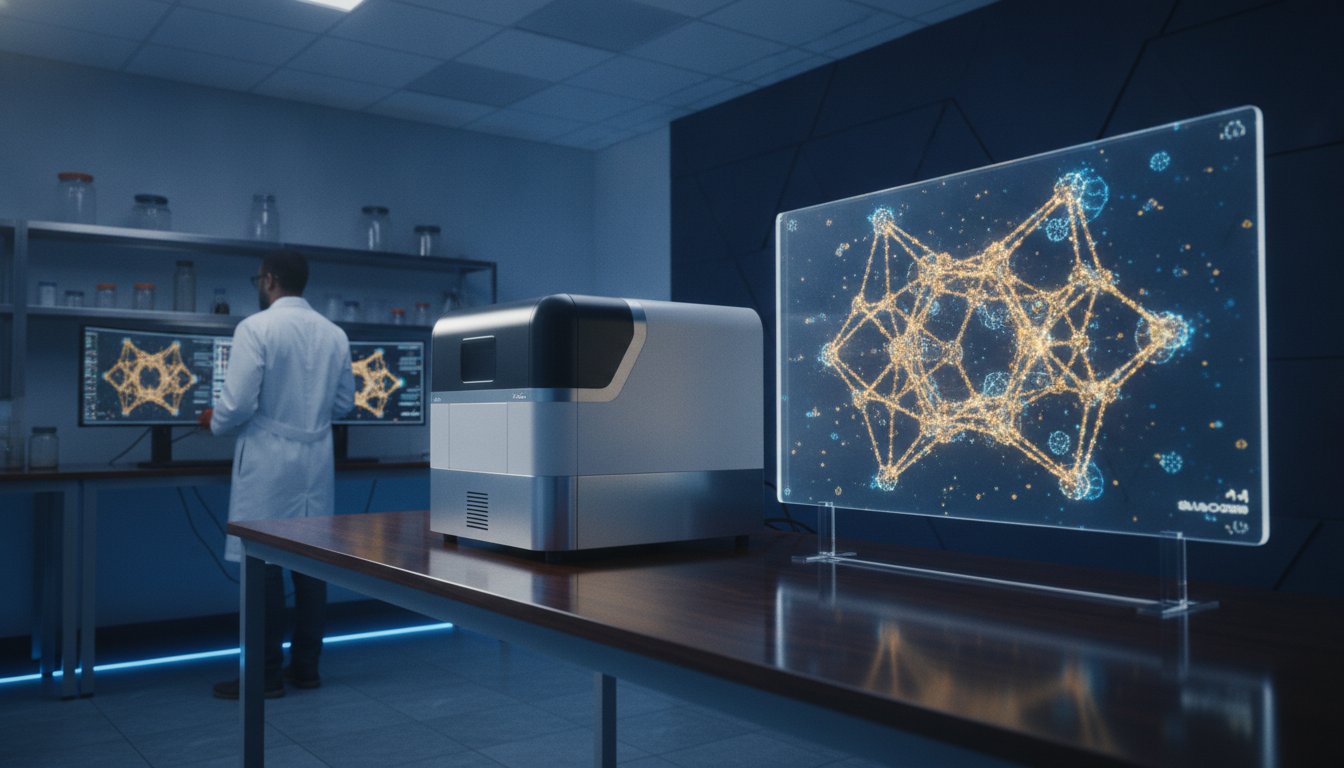
The decision to outsource material characterization is often viewed as a fiscal necessity for emerging research facilities, yet this reliance frequently becomes the primary bottleneck in a startup’s innovation cycle. You likely recognize the frustration of waiting weeks for external results while your R&D momentum stalls. High capital expenditure and the demand for specialized operators often make high-resolution imaging seem like a distant milestone rather than an immediate tool. However, the true cost of these delays often exceeds the investment required for internal infrastructure.
Investing in tailored startup lab sem packages transforms this dynamic by integrating sophisticated analytical capabilities directly into your workflow. This article explores how scalable instrumentation, ranging from the compact Cube II benchtop system to professionally refurbished units, allows your facility to secure a competitive advantage without compromising on precision. We’ll examine the strategic integration of these systems, the reduction of operational lead times, and the technical support structures that empower your existing team to achieve expert-level results. By aligning advanced electron optics with your specific budgetary constraints, you can establish a foundation for rapid, data-driven iteration.
Key Takeaways
- Internalizing high-resolution characterization eliminates the logistical delays of external testing, which significantly accelerates R&D cycles and technical validation.
- Specialized startup lab sem packages provide a scalable pathway for integrating high-performance imaging into emerging facilities while maintaining strict control over laboratory floor space.
- Certified refurbished SEM units offer a fiscally responsible entry point for seed-funded laboratories; it’s a strategic way to acquire sophisticated analytical tools without compromising budgetary stability.
- Comprehensive on-site training and preventative maintenance programs ensure operational continuity and maximize equipment utility for teams that don’t employ dedicated microscopy staff.
- Tailored instrumentation suites, specifically configured for failure analysis or material characterization, align your technical capabilities with the rigorous demands of advanced manufacturing and aerospace sectors.
The Strategic Role of SEM Instrumentation in Startup Laboratory Infrastructure
For an emerging research facility, the ability to provide rigorous technical validation is the cornerstone of commercial viability. While initial R&D often relies on preliminary modeling, the transition to physical prototyping demands a level of analytical precision that standard laboratory equipment cannot provide. Establishing a robust imaging infrastructure is no longer a luxury reserved for established corporations; it’s a fundamental requirement for any startup aiming to disrupt specialized industrial sectors. By integrating high-performance microscopy, firms secure their intellectual property by keeping sensitive characterization in-house, preventing the exposure of proprietary materials to third-party characterization services.
Overcoming the Limitations of Light Microscopy
Modern nanotechnology and advanced materials science operate at scales where traditional optical systems reach their physical limits. The diffraction limit of light restricts these systems to micrometer-scale observations, which is insufficient for characterizing the nanostructured surfaces or sub-micron defects common in semiconductor and aerospace applications. A Scanning electron microscope (SEM) bridges this resolution gap, providing high-magnification imaging that reveals topographical and compositional details at the nanometer level. Beyond simple resolution, the superior depth of field offered by electron optics allows for the analysis of complex, three-dimensional samples, ensuring that topographical variations don’t result in loss of focus or data integrity.
Reducing Research and Development Latency
The hidden costs of external characterization services extend far beyond the line-item fees. Long lead times for characterization results introduce significant latency into the innovation cycle, forcing engineers to wait days or weeks to validate a single design iteration. Utilizing specialized startup lab sem packages eliminates these external dependencies, facilitating a culture of real-time iteration and rapid prototyping. This shift accelerates the development timeline and enhances investor confidence, as the presence of internal analytical capabilities demonstrates a commitment to technical meticulousness and operational excellence. When high-resolution data is integrated directly into the business model canvas, it serves as tangible proof of progress, transforming abstract concepts into validated, market-ready technologies. This strategic deployment of startup lab sem packages ensures that emerging facilities remain agile, protecting their competitive edge in a globalized industrial landscape.
Benchtop vs. Floor-Model SEM: Selecting the Optimal Configuration
Selecting the correct instrumentation architecture is a critical decision that influences both the physical layout and the long-term scalability of an emerging research facility. Traditional floor-standing units, while historically the standard for high-end characterization, often impose prohibitive structural requirements, including vibration isolation platforms, specialized electrical circuits, and chilled water cooling loops. For most seed-funded facilities, these logistical hurdles represent a significant barrier to entry. Modern startup lab sem packages circumvent these challenges by prioritizing “analytical density,” packing high-resolution electron optics into compact systems that operate on standard power and require no facility modifications. Space is a premium. Benchtops don’t demand the same footprint.
This evolution in hardware design allows researchers to achieve the same imaging fidelity once reserved for large-scale production facilities. The shift toward miniaturization hasn’t compromised resolution; rather, it’s democratized access to nanometer-scale data. By selecting a benchtop configuration, startups can allocate their limited laboratory floor space toward other critical R&D equipment while maintaining the capability to perform sophisticated material analysis in-house. Precision shouldn’t be optional.
The Technical Efficiency of the Cube II Benchtop SEM
The Cube II Benchtop SEM exemplifies this technical shift, offering a sophisticated alternative to traditional systems. It provides high-resolution imaging within a footprint that fits onto a standard laboratory bench, making it an ideal core component of startup lab sem packages. Its intuitive interface reduces the learning curve for multi-user environments, ensuring that researchers can focus on data interpretation rather than complex system calibration. This integration of desktop sem technologies ensures maximum utility for teams that lack a dedicated microscopist. It’s built for efficiency.
Genesis Tabletop SEM for High-Throughput Screening
For facilities requiring high-volume analysis, the Genesis Tabletop SEM offers an optimized workflow characterized by rapid vacuum cycles and accelerated imaging speeds. It’s particularly effective for quality control and initial research phases where throughput is as vital as precision. Scalability in a startup context is often better served by deploying multiple tabletop units rather than a single, high-maintenance floor model. Maintaining Operational Readiness across these systems is streamlined through standardized protocols, allowing for a consistent analytical output as the facility grows. To determine which configuration best supports your current research trajectory, you can explore our full range of tabletop instrumentation.
Fiscally Responsible Acquisition: New vs. Refurbished SEM Packages
Seed-stage startups often face a critical juncture when balancing the demand for high-resolution imaging with the realities of limited capital. The electron microscope cost typically represents the most significant investment in a new facility’s analytical infrastructure. Navigating this procurement process requires a sophisticated understanding of how different startup lab sem packages align with long-term fiscal strategies. While new systems like the Cube II offer the latest in technical integration and compact design, refurbished units provide a viable alternative for laboratories that require high-performance optics without the capital requirements of a factory-fresh unit. Strategic procurement isn’t just about the initial purchase; it’s about maximizing the utility of every dollar spent on hardware.
Benefits of Certified Refurbished SEM Units
Certified refurbished SEM units allow emerging research facilities to access advanced electron optics that might otherwise be financially inaccessible. These systems aren’t simply used equipment. They represent instrumentation that has undergone a rigorous testing and recalibration process to ensure performance remains consistent with original manufacturer standards. When selecting a refurbished instrumentation provider, it’s essential to prioritize those with deep industry expertise and a proven track record of reliability. A comprehensive support structure, including warranties and on-site service, is critical for mitigating the risks associated with non-new hardware. This approach ensures that the facility maintains the operational continuity necessary for consistent R&D output while preserving capital for other critical development phases.
Integrating EDS Systems for Elemental Analysis
Beyond topographical imaging, the integration of EDS (Energy Dispersive Spectroscopy) Systems is essential for startups performing complex material characterization. Bundling an EDS detector with an SEM creates a comprehensive analytical suite capable of providing simultaneous structural and elemental data. This technical synergy streamlines data collection workflows, allowing researchers to generate detailed characterization reports without the need for multiple instruments or external characterization services. For many emerging facilities, these integrated startup lab sem packages provide the technical depth required to achieve critical regulatory milestones or secure additional rounds of funding. This level of analytical density is a strategic asset for any hardware-focused startup.
Structuring these capital equipment purchases to maximize tax benefits and align with grant funding requirements is equally important. By meticulously documenting the technical necessity of the instrumentation, startups can justify the investment to stakeholders while building a foundation for future scalability. Whether opting for a new tabletop system or a certified refurbished unit, the goal remains the same: establishing a high-performance analytical environment that supports rapid innovation and technical validation.

Operational Readiness: Training, Service, and Preventative Maintenance
Operationalizing a high-performance imaging system requires a structured approach to technical stewardship. Specialized startup lab sem packages are not static investments; they represent a dynamic analytical capability that demands rigorous upkeep to maintain data integrity. Establishing a comprehensive protocol for sem maintenance is essential for preventing unscheduled downtime that can derail tight R&D schedules. This operational framework must include regular calibration, vacuum system checks, and the proactive management of SEM Filaments and Consumables. By prioritizing technical reliability, emerging facilities protect their capital investment and ensure that every micrograph meets the standards required for international validation. Precision is a product of consistent maintenance.
Customized On-Site Technical Training
Most emerging research facilities operate with lean teams that may lack specialized microscopy backgrounds. Professional on-site training bridges this expertise gap, empowering laboratory staff to master advanced imaging techniques and sample preparation protocols. Expert-led coaching focuses on establishing meticulous workflows that maximize image quality and technical throughput. Key training objectives include:
- Developing robust standard operating procedures (SOPs) for multi-user environments to ensure consistent data collection.
- Optimizing signal-to-noise ratios for challenging, non-conductive samples common in advanced materials research.
- Implementing efficient sample preparation strategies that reduce the risk of column contamination.
This transfer of knowledge ensures that the instrumentation’s technical prowess is fully utilized, transforming a complex tool into a reliable extension of the research team’s capabilities. It’s about empowering your staff to achieve expert results without the need for a dedicated PhD microscopist.
Establishing Long-Term Operational Stability
Long-term precision is contingent upon the mechanical and electrical health of the electron optics. Preventative Maintenance Visits are the cornerstone of this stability, providing a structured cadence for deep-system diagnostics and component replacement. These visits focus on ensuring vacuum system integrity and electron beam stability, both of which are critical for high-resolution characterization. Managing recurring service requirements allows startups to budget effectively; it avoids the volatility of emergency repair costs and provides a predictable cost of ownership. Priority support and parts coverage, integrated into a formal service contract, provide the logistical safety net necessary for high-throughput screening environments. This strategic approach to startup lab sem packages ensures your facility remains focused on innovation rather than troubleshooting. To secure the long-term reliability of your analytical infrastructure, request a comprehensive service proposal tailored to your facility’s specific requirements.
Custom SEM Packages for Specialized Startup Applications
Analytical requirements vary significantly across industrial sectors, necessitating specialized startup lab sem packages that align with specific research objectives. A one-size-fits-all approach to instrumentation often fails to provide the specific analytical density required for niche technical validation. For instance, a biotechnology startup focusing on pharmaceutical delivery systems requires different imaging parameters than a firm developing next-generation semiconductor components. By selecting a configuration tailored to the industry vertical, emerging facilities ensure they possess the precise tools needed to meet rigorous regulatory standards and achieve technical milestones. Whether it’s the high-resolution capabilities of the Veritas FE for nanotechnology or the high-throughput efficiency of the Genesis tabletop system for quality control, the right package acts as a catalyst for innovation.
Failure Analysis and Quality Control
In the semiconductor and electronics sectors, the ability to perform precise cross-sectional analysis is vital for identifying subsurface defects that impact yield optimization. Startups in these fields utilize SEM to observe gate-level features and interconnect integrity, ensuring that every design iteration meets strict industrial tolerances. Implementing sem operation best practices is essential during this process, as it allows for the generation of standardized data that can withstand the scrutiny of industrial audits. These specialized packages often include advanced detectors and software suites designed specifically for defect detection and failure analysis, providing a level of meticulousness that is critical for market entry. Reliability isn’t just a goal; it’s a requirement for commercial survival.
Advanced Materials and Nanotechnology
Nanotechnology startups developing carbon fibers, novel polymers, or advanced composites require high-resolution imaging to characterize morphological properties at the nanoscale. These materials often exhibit complex structures where even minor topographical variations can significantly alter performance. Utilizing tailored startup lab sem packages allows researchers to:
- Characterize the dispersion of nanoparticles within a polymer matrix to optimize mechanical strength.
- Analyze the surface morphology of carbon fiber reinforcements to improve interfacial bonding.
- Generate high-fidelity micrographs that serve as primary evidence for patent filings and academic publications.
This level of detailed characterization is essential for securing intellectual property and building a robust technical narrative for investors. Beyond simple imaging, the integration of EDS systems allows for the simultaneous mapping of elemental distribution, providing a comprehensive understanding of material behavior under various conditions. As the facility scales, these solutions can be expanded to include higher-end optics, such as the Veritas HR or Veritas Ultra, ensuring that the laboratory’s analytical capabilities grow in tandem with its research ambitions. It’s a visionary approach to technical infrastructure.
Securing a Competitive Advantage through Analytical Precision
Integrating high-performance microscopy into an emerging research facility is a strategic investment that transcends simple imaging. By internalizing characterization capabilities, startups eliminate the logistical bottlenecks associated with external testing and secure the intellectual property foundational to their growth. The transition from light microscopy to electron optics provides the nanometer-scale resolution necessary for technical validation in sectors ranging from semiconductor failure analysis to advanced aerospace manufacturing. Selecting the right configuration, whether it’s a compact Cube II benchtop or a certified refurbished unit, ensures that your laboratory maintains high analytical density while respecting strict capital constraints.
Establishing operational readiness is equally vital. Through comprehensive on-site training and structured preventative maintenance, your team can achieve expert-level results without the need for dedicated microscopy staff. Electron Optics Instruments, LLC brings over 30 years of industry expertise as the sole US distributor for EmCraft SEMs, providing the technical support and service contracts required for long-term stability. It’s time to accelerate your innovation cycle and validate your technical milestones with confidence. Request a Consultation for Your Startup Lab SEM Package today to discuss how our tailored startup lab sem packages can empower your research facility’s trajectory toward commercial success.
Frequently Asked Questions
What is included in a typical startup lab SEM package?
A comprehensive startup lab SEM package typically includes the primary imaging unit, such as a Cube II or Genesis model, alongside professional installation and on-site technical training. These packages are designed to provide an immediate analytical foundation, often bundling initial SEM Filaments and Consumables to ensure operational readiness. Many facilities also choose to integrate EDS (Energy Dispersive Spectroscopy) Systems to enable simultaneous topographical and chemical characterization within a single, streamlined workflow.
How much laboratory space is required for a benchtop SEM installation?
Modern benchtop and tabletop SEM units require significantly less space than traditional floor-standing models, often occupying a footprint of approximately 2 to 3 square feet. These systems are designed to sit on standard laboratory benches without the need for structural reinforcements or specialized vibration isolation platforms. This compact design allows emerging facilities to maximize their available floor space while maintaining high-resolution imaging capabilities that don’t compromise the lab’s overall logistical efficiency.
Can a refurbished SEM provide the same resolution as a new benchtop model?
Certified refurbished SEM units can often exceed the resolution of new benchtop models because they frequently consist of professionally restored research-grade floor systems. While benchtop units offer superior space efficiency, a refurbished Veritas series unit provides the high-end electron optics required for the most demanding nanometer-scale observations. Every refurbished system undergoes rigorous recalibration and testing to ensure its performance aligns with original technical specifications, providing a fiscally responsible entry point for seed-funded laboratories.
Is specialized training necessary to operate a modern benchtop SEM?
While modern user interfaces have significantly lowered the barrier to entry, professional on-site training remains essential for maximizing equipment utility and image fidelity. Effective startup lab sem packages include customized sessions that educate staff on advanced sample preparation and system optimization. This ensures that researchers can achieve expert-level results and maintain technical throughput without the high cost of employing a dedicated PhD-level microscopist for daily operations.
How often does an SEM require preventative maintenance in a startup environment?
Most scanning electron microscopes require scheduled Preventative Maintenance Visits at least once or twice per year to ensure long-term operational stability. In a high-throughput startup environment, regular inspections are critical for maintaining vacuum system integrity and electron beam consistency. Proactive service prevents the accumulation of column contamination and identifies potential hardware issues before they result in unscheduled downtime, protecting the facility’s capital investment and research timelines.
What are the electrical and environmental requirements for installing a tabletop SEM?
Tabletop and benchtop SEMs are engineered to operate using standard 110V or 220V electrical outlets, eliminating the need for specialized laboratory renovations. Unlike larger systems, these compact units don’t require chilled water cooling loops or dedicated high-vacuum infrastructure. The primary environmental requirements involve a stable, level surface and a climate-controlled room with minimal acoustic interference, ensuring the electron optics remain stable during high-magnification imaging sessions.
Does the startup package include integrated EDS for chemical analysis?
Integrated EDS (Energy Dispersive Spectroscopy) Systems are frequently included or bundled within startup lab sem packages to provide comprehensive material characterization. This addition allows researchers to perform non-destructive chemical analysis and elemental mapping alongside topographical imaging. By integrating these capabilities into a single package, startups can generate detailed technical reports that are essential for patent filings, industrial audits, and securing additional rounds of venture capital funding.
How does an in-house SEM improve the R&D timeline for a hardware startup?
Establishing in-house SEM capabilities dramatically reduces R&D cycle times by eliminating the long lead times associated with external characterization services. Instead of waiting weeks for third-party results, engineers can perform real-time iterations and validate physical prototypes immediately. This rapid feedback loop allows for faster design corrections and technical validation, providing a significant competitive advantage in fast-moving sectors like semiconductor manufacturing, biotechnology, and advanced aerospace development.