
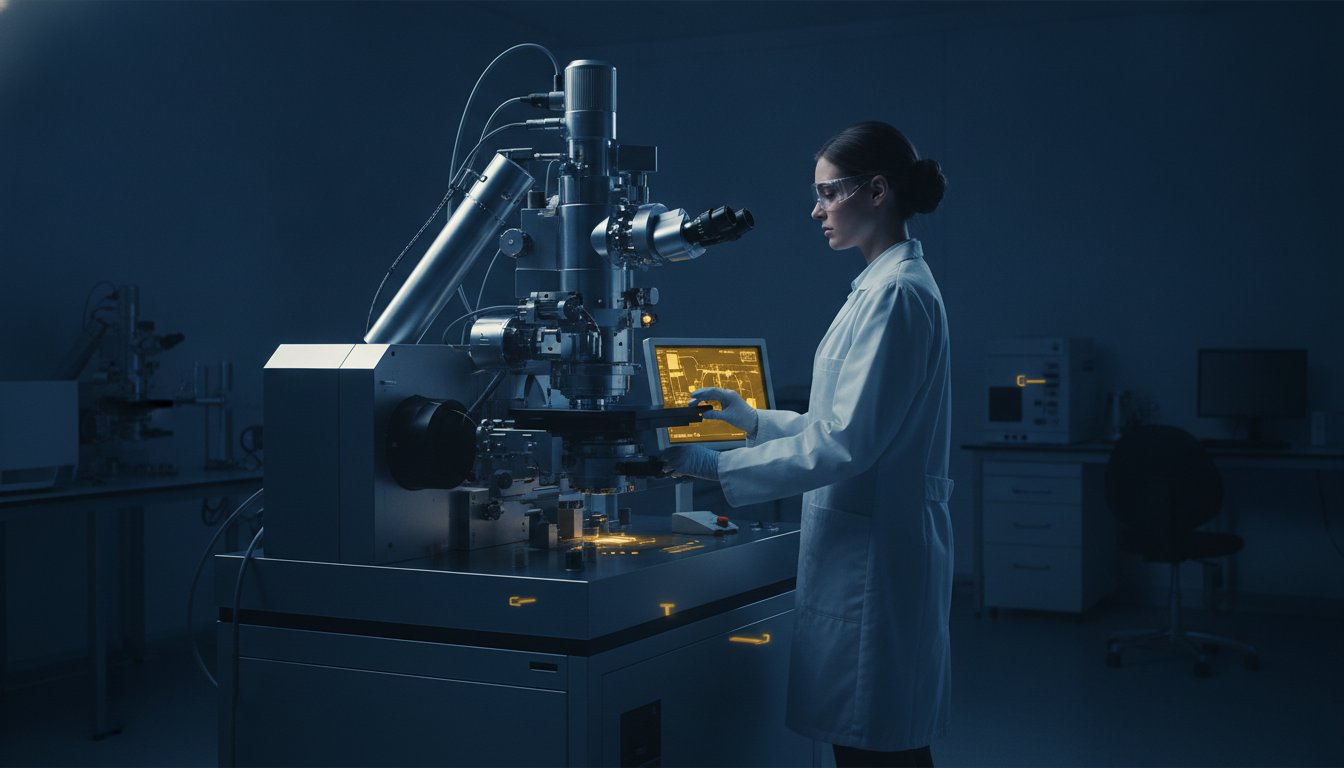
Did you know that approximately one-third of fume hoods fail to meet the rigorous performance standards of ANSI/ASSP Z9.5-2022? In a high-precision research environment, such a failure is not merely a maintenance oversight; it represents a systemic risk to both personnel and sophisticated instrumentation. You likely recognize that managing a modern microscopy suite involves a delicate balance between pushing the boundaries of material science and maintaining strict regulatory compliance. The pressure to protect expensive assets like the Cube II Benchtop SEM while navigating the November 2026 OSHA GHS Revision 7 deadlines can feel overwhelming for even the most seasoned laboratory directors.
This guide provides the technical frameworks you need to master lab safety protocols for sem use, ensuring your facility remains a benchmark of industrial excellence and operational safety. By implementing these standardized procedures, you’ll reduce institutional liability and significantly extend the functional lifespan of your hardware. We will examine the critical updates to radiation protection models, chemical hazard communication, and the structured training methodologies required to transition new users into expert operators without compromising systemic integrity.
Key Takeaways
- Identify and mitigate the primary operational risks of ionizing radiation, high-voltage discharge, and vacuum system failure through a multi-layered safety framework.
- Utilize the specialized shielding capabilities of advanced systems, such as the Veritas Series SEM, to maintain exposure rates well below regulatory thresholds.
- Ensure mechanical stability by implementing rigorous inspection protocols for vacuum chamber seals and monitoring the structural integrity of door assemblies.
- Standardize lab safety protocols for sem use during sample preparation to safely manage volatile solvents and high-voltage sputter coating processes.
- Transition from informal training models to a structured, multi-tiered user access system that prioritizes professional technical expertise over institutional tribal knowledge.
The Fundamental Framework of SEM Laboratory Safety
The operational integrity of a modern microscopy suite depends upon a multi-layered safety architecture that transcends simple regulatory compliance. At its core, the establishment of robust lab safety protocols for sem use requires a comprehensive understanding of how environmental conditions, hardware engineering, and human behavior intersect to form a unified protective framework. The primary hazards inherent in these systems, which include ionizing radiation produced during electron-matter interaction, high-voltage discharge within the gun assembly, and the potential for vacuum implosion, necessitate a rigorous and technical oversight framework. Within this context, the role of the Safety Officer is paramount. This individual doesn’t merely manage risk; they serve as the primary guardian of technical precision and systemic reliability. It’s a fundamental reality that a compromised system produces unreliable results. When safety parameters are ignored, the resulting data often suffers from noise or instability, proving that safety and data integrity are fundamentally inseparable.
Environmental Requirements for Safe Operation
Precision instrumentation, such as a Scanning Electron Microscope (SEM), demands a stable structural foundation to mitigate both mechanical fatigue and analytical degradation. Floor vibration, if not properly dampened through specialized pneumatic isolation or structural reinforcement, leads to long-term stress on the vacuum column and sensitive internal optics. Beyond structural stability, electromagnetic interference (EMI) shielding must be established as a baseline to prevent external fields from destabilizing the electron beam. The rigorous control of temperature and humidity is equally vital for preventing high-voltage arcing in the electron gun. Excessive moisture in the air can facilitate electrical discharge across insulators, an event that potentially causes catastrophic damage to the anode and high-voltage power supplies.
The “Safety-First” Operational Mindset
Technical proficiency represents the first line of defense against systemic failure and personnel injury. Operators are required to thoroughly internalize The Fundamental Principles of Scanning Electron Microscopy (SEM) in 2026 before they’re granted autonomous access to the instrumentation. To enhance protection during high-risk procedures, labs should implement a “buddy system” for high-voltage maintenance or complex sample changes. This ensures a redundant layer of safety is always present. Finally, the importance of meticulous logbook documentation can’t be overstated. By recording every system anomaly or vacuum fluctuation, lab managers can track the evolution of hardware performance, ensuring that lab safety protocols for sem use remain proactive rather than reactive.
Mitigating Radiation and Electrical Hazards
The interaction between the primary electron beam and the specimen, as well as internal column components, inherently generates secondary X-rays. While scanning electron microscopes are not dedicated X-ray sources, the deceleration of high-energy electrons, a process known as bremsstrahlung, produces ionizing radiation that must be meticulously contained. Modern instrumentation, exemplified by the Veritas Series SEM, utilizes high-density shielding and lead-lined apertures to ensure that external radiation levels remain well below the regulatory threshold of 0.5 mrem/hr at 5 cm from any surface. Adhering to established lab safety protocols for sem use involves verifying these shielding barriers through annual radiation leakage surveys using calibrated Geiger counters.
High-voltage (HV) safety is equally critical, as power supplies often reach potentials of up to 30kV. All professional-grade systems are equipped with hardware interlocks designed to immediately terminate the high voltage if the vacuum chamber is opened or if a column panel is removed. Bypassing these interlocks represents a critical safety violation that risks lethal electrical shock and irreparable hardware damage. It’s essential that operators respect these automated safeguards as the primary defense against accidental exposure.
X-Ray Safety and Compliance Standards
To maintain a secure research environment, facilities must adopt the “as low as reasonably achievable” (ALARA) principle. This involves conducting routine monitoring to detect any unexpected leakage, particularly after significant hardware modifications or filament replacements. The UDC SEM Safety Policies provide a robust framework for documenting these tests and ensuring institutional compliance. For laboratories prioritizing an integrated safety profile, the Cube II Benchtop SEM offers a compact, enclosed design that minimizes radiation risks through its low-voltage optimization and simplified user interface, making it an ideal choice for high-traffic environments.
Electrical Safety and High-Voltage Arcing
Proper grounding techniques are essential for protecting both the operator and the sensitive electron optics. Inadequate grounding or sudden loss of vacuum can lead to internal electrical arcing, a phenomenon where the high voltage discharge jumps across internal components, causing carbon tracking and total electronic failure. Identifying signs of vacuum instability early is a core component of effective lab safety protocols for sem use. When internal repairs are necessary, technicians must strictly follow Lock-out/Tag-out (LOTO) protocols to isolate all energy sources. Ensuring your system undergoes regular preventative maintenance visits can identify potential arcing risks before they result in costly downtime or equipment loss.
Vacuum System Integrity and Mechanical Safety
The scanning electron microscope operates within a high-vacuum environment that exerts significant mechanical stress upon the chamber architecture. At standard operating pressures, the external atmosphere applies several tons of force against the chamber walls and door seals. Maintaining structural integrity isn’t just about image quality; it’s a fundamental requirement of lab safety protocols for sem use. While modern chambers are engineered with high safety margins, any compromise in the chamber door integrity or the presence of micro-fractures can lead to a catastrophic implosion. This risk underscores the necessity of integrating vacuum safety into your broader facility management strategy.
Effective vacuum management relies on a sequence of specialized pumps, including roughing pumps, turbo-molecular pumps, and ion pumps, each serving a specific pressure regime. Diffusion pumps, while less common in newer benchtop models like the Cube II, still require careful thermal management to prevent oil vapor from entering the column. Understanding the operational sequence and the specific requirements of each pump type is vital for preventing backstreaming or mechanical failure. For a deeper analysis of how these systems interact over their operational lifespan, consult The Definitive Guide to SEM Maintenance.
Safe Handling of Vacuum Components
The longevity of a vacuum system depends on the meticulous care of its seals and lubricants. Proper lubrication of O-rings using high-vacuum grease is essential to prevent catastrophic seal failure, though excessive application can lead to outgassing and column contamination. Using incorrect vacuum oils or introducing contaminated components into the chamber can degrade pump performance and lead to hazardous chemical reactions. If a sudden loss of vacuum pressure occurs, operators must follow established emergency shutdown procedures to isolate the column and protect the electron source from oxidation.
Mechanical Hazard Mitigation
Mechanical safety extends to the internal movement of the stage and the handling of peripheral hardware. Stage collisions represent a significant risk; if a sample holder strikes the pole piece or an internal detector, it can cause thousands of dollars in damage and potentially breach the vacuum seal. Personnel must also exercise caution when relocating heavy vacuum pumps or external chillers, as these components often require specialized lifting equipment to prevent injury. Ultimately, professional SEM installation is required to verify all mechanical tolerances and ensure that lab safety protocols for sem use are fully integrated into the system’s physical environment.

Sample Preparation and Chemical Handling Protocols
While previous sections addressed the inherent hardware risks of ionizing radiation and vacuum instability, the laboratory’s chemical environment presents a parallel set of challenges that require rigorous administrative and engineering controls. The analytical efficacy of an electron microscopy suite is contingent upon the meticulous preparation of specimens, a process that frequently introduces volatile solvents and toxic fixatives into the workspace. Comprehensive lab safety protocols for sem use must extend into the wet lab where specimen dehydration and fixation occur. Failing to manage these substances doesn’t just risk personnel health; it also threatens the systemic integrity of the microscope through column contamination and detector degradation.
Chemical Safety in the SEM Suite
The preparation of biological and geological specimens often necessitates the use of ethanol, acetone, and glutaraldehyde. These substances require dedicated storage in flammables cabinets and must be handled within a certified fume hood to mitigate inhalation risks. It’s vital to remember that approximately one-third of fume hoods fail to meet the performance standards of ANSI/ASSP Z9.5-2022, so regular flow-rate verification is a non-negotiable requirement. Furthermore, non-federal laboratories must complete initial exposure monitoring for methylene chloride by November 9, 2026, to remain compliant with updated TSCA regulations. Personal Protective Equipment (PPE) standards, including nitrile gloves, chemical-resistant eye protection, and lab coats, should be strictly enforced to prevent dermal exposure to these aggressive reagents.
Sputter Coating and Gas Cylinder Safety
Sputter coating is essential for imaging non-conductive samples, but it introduces specific kinetic and electrical hazards. High-pressure gas cylinders, typically containing Argon or Nitrogen, must be secured with heavy-duty brackets to prevent them from becoming kinetic projectiles in the event of a valve failure. The plasma coating process itself involves high voltage and generates ultraviolet radiation, requiring the use of integrated shielding to prevent ocular damage and electrical shock. Operators must also manage heavy metal targets, such as Gold, Palladium, or Platinum, with care. The fine dust generated during target erosion can be hazardous if inhaled or if it contaminates lab surfaces.
Imaging materials that outgas, such as inadequately dried resins or oily specimens, can lead to carbon deposition on the pole piece and apertures of the Veritas Series SEM. This contamination degrades image resolution and necessitates expensive professional cleaning. Proper hazardous waste disposal streams must be established for all used solvents and contaminated prep materials to ensure environmental compliance and lab safety. Ensure your facility maintains peak operational standards by sourcing high-quality SEM filaments and consumables through our technical service department.
Institutional Training and Professional Maintenance
The efficacy of hardware-based safeguards is fundamentally limited by the proficiency of the human operator. To maintain institutional integrity and ensure the longevity of systems like the Veritas Ultra SEM, laboratories must transition away from informal tribal knowledge, where unverified operational habits and potential safety shortcuts are passed between users, toward a standardized, multi-tiered user access system. This hierarchy typically classifies users as Beginner, Advanced, or Super-User. Beginners operate only under direct supervision, while Advanced users earn autonomous access through rigorous testing. Super-Users possess the authority to manage laboratory schedules and oversee basic maintenance. Establishing these lab safety protocols for sem use ensures that only individuals with demonstrated technical competency interact with sensitive electron optics, thereby reducing the risk of expensive equipment damage due to user error.
Developing a Robust Training Program
A robust training program requires more than a simple walkthrough of the user interface. It demands mandatory hands-on proficiency testing where operators must demonstrate their ability to handle emergency shutdowns and recognize vacuum anomalies. This isn’t a one-time event; the technical complexity of modern hardware necessitates regular refresher courses on SEM operation to keep pace with evolving software updates and safety standards. Additionally, meticulous documentation of these training milestones is essential for OSHA and institutional audit readiness. As regulatory standards such as GHS Revision 7 become mandatory by late 2026, having a transparent, documented training history protects the institution from compliance anxiety and potential litigation.
The Safety Value of Professional Service Contracts
The safety value of professional service contracts lies in the proactive identification of systemic vulnerabilities that are invisible to the daily operator. Annual preventative maintenance visits aren’t merely about cleaning apertures; they’re critical for identifying hidden safety risks such as frayed high-voltage wiring, deteriorating lead shielding, or micro-leaks in the vacuum seals that could lead to internal arcing or implosion. Certified technicians are trained to calibrate radiation shielding and verify the mechanical integrity of safety interlocks, ensuring they trip at the precise millisecond a vacuum breach is detected. Professional SEM repair services should never be performed by untrained internal staff. Unauthorized modifications to radiation-producing devices can void safety certifications and lead to catastrophic hardware failure. By integrating EOII service contracts, laboratories secure a failsafe for institutional safety compliance, leveraging 30 plus years of industry experience to maintain a secure and productive research environment where lab safety protocols for sem use are prioritized.
Securing the Future of High-Precision Microscopy
Maintaining a secure and efficient laboratory environment requires a holistic commitment to technical excellence and rigorous oversight. By prioritizing structural shielding, vacuum integrity, and stringent chemical handling, facilities protect their most valuable assets: their personnel and their precision instrumentation. Implementing standardized lab safety protocols for sem use doesn’t just fulfill a regulatory requirement; it establishes a baseline for analytical accuracy and systemic longevity. Successful labs recognize that operational safety is the fundamental prerequisite for reliable, high-resolution data.
Relying on informal tribal knowledge is no longer sufficient in an era of evolving OSHA standards and complex hardware integration. Ensure your lab meets the highest safety standards with professional SEM training and service from EOII. Backed by 30 plus years of technical expertise in electron optics, we offer comprehensive service contracts for all major SEM manufacturers and certified on-site training for industrial teams. Investing in professional oversight ensures your facility remains at the forefront of innovation while maintaining an uncompromising safety profile.
Frequently Asked Questions
Do benchtop SEMs like the Cube II require specialized radiation shielding?
Benchtop SEMs like the Cube II are engineered with high-density integrated shielding that maintains external radiation levels well below the regulatory threshold of 0.5 mrem/hr at 5 cm. While they don’t require the lead-lined rooms often associated with larger TEM systems, you must still adhere to institutional lab safety protocols for sem use. This includes registering the device as a radiation-producing instrument and conducting annual leakage surveys to verify the continued integrity of the factory shielding.
What should I do in the event of an SEM vacuum system failure?
Immediately terminate the high voltage and isolate the electron source to prevent oxidation or filament damage. You should inspect the chamber door seal and O-rings for visible debris or physical degradation that might prevent a proper vacuum. If the system fails to reach the required pressure within standard roughing timeframes, you’ll need to contact a certified technician for a helium leak detection survey. Don’t attempt to force the chamber open while it’s under partial vacuum.
Is it safe to image wet or outgassing samples in a standard SEM?
Imaging wet or outgassing samples in a high-vacuum environment risks catastrophic column contamination and detector failure. Volatile molecules can condense on the pole piece or the sensitive EDS detector, which permanently degrades image resolution. Samples must be fully dehydrated or fixed using reagents like glutaraldehyde before insertion into the chamber. For materials that inherently outgas, specialized low-vacuum modes or environmental SEM configurations are required to maintain the hardware’s operational integrity.
How often should the radiation leakage of an electron microscope be tested?
Radiation leakage tests should be conducted annually or whenever significant hardware modifications occur. This includes procedures following a filament replacement or any adjustment to the primary column shielding. Using a calibrated Geiger counter ensures the device remains within the federal safety limit of 0.5 mrem/hr. Documentation of these tests is vital for maintaining audit readiness and ensuring the long-term safety of laboratory personnel who interact with the equipment daily.
What are the electrical requirements for safely installing a Veritas Series SEM?
A Veritas Series SEM requires a dedicated, grounded electrical circuit to prevent electromagnetic interference and internal arcing. Fluctuations in line voltage can destabilize the electron beam and damage sensitive high-voltage power supplies. Most professional installations also necessitate an Uninterruptible Power Supply (UPS) to facilitate a controlled shutdown during power outages. This prevents the vacuum pumps from stopping abruptly, which could otherwise lead to hazardous oil backstreaming into the sensitive electron column.
Can I perform my own SEM filament replacement safely?
While experienced users can replace filaments, it’s safer to have this procedure performed or supervised by a certified technician to ensure proper alignment and vacuum integrity. The process involves handling sensitive ceramic components and high-voltage assemblies that are easily damaged. Incorrect installation can lead to immediate filament burnout or internal electrical discharge. Following manufacturer-specific lab safety protocols for sem use during this procedure is essential to avoid compromising the precision of the electron optics.
What PPE is mandatory for SEM sample preparation?
Mandatory PPE includes powder-free nitrile gloves, chemical-resistant eye protection, and a standard lab coat. These items protect against the aggressive solvents and fixatives, such as acetone or glutaraldehyde, used during specimen dehydration. Gloves also prevent skin oils from contaminating the sample and the vacuum chamber, which is a primary cause of image artifacts. If you’re handling volatile chemicals outside of a certified fume hood, additional respiratory protection may be required based on institutional safety assessments.
Why are interlock systems critical for operator safety in electron microscopy?
Interlock systems act as a failsafe by automatically disconnecting high voltage and closing vacuum valves when a safety breach is detected. This prevents accidental exposure to 30kV electrical potentials or ionizing radiation if a user attempts to open the chamber during operation. Bypassing these systems is a severe violation of safety standards and can result in lethal injury or total system destruction. They’re the primary engineering control that separates the operator from the machine’s internal hazards.