
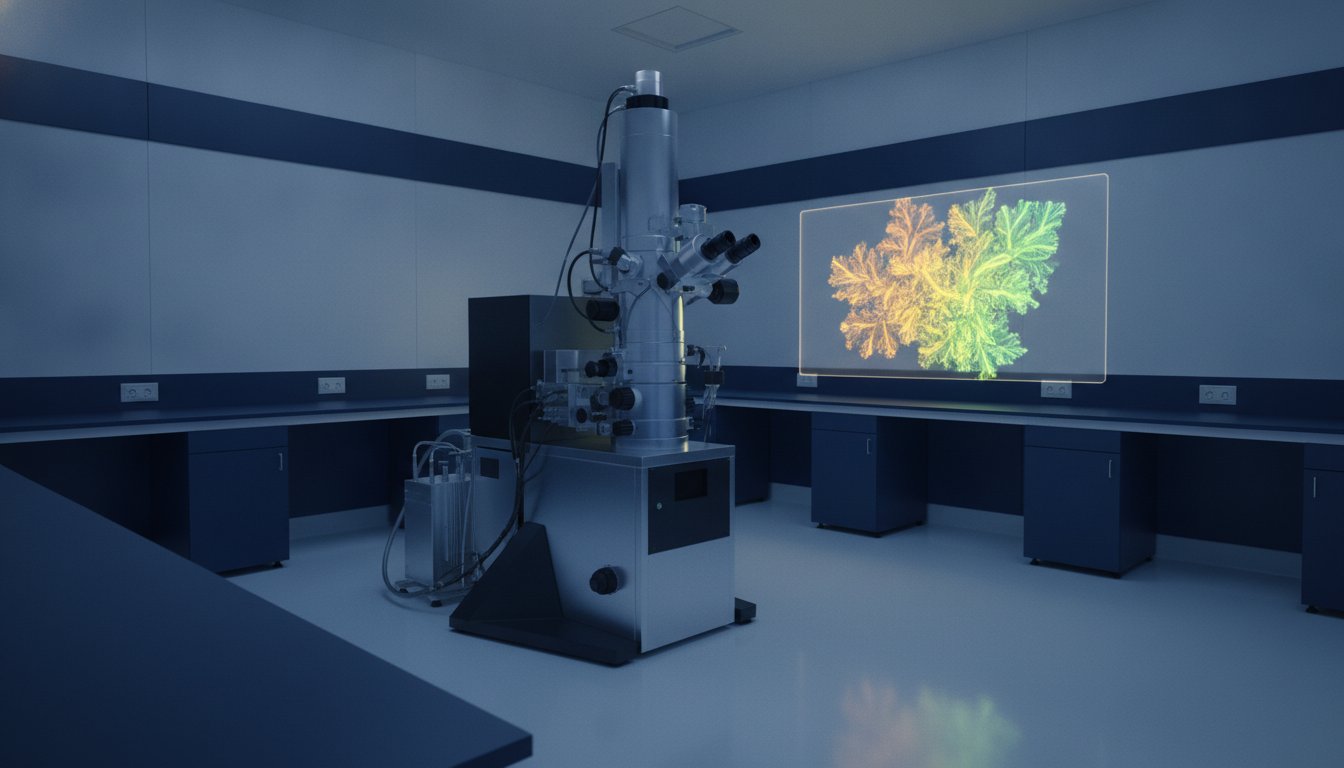
The Producer Price Index for laboratory analytical instruments increased by approximately 23% between 2020 and early 2026, forcing research directors to reconsider the acquisition of a refurbished scanning electron microscope as a primary alternative to new procurement. You likely recognize the tension between the necessity for nanometer-scale precision and the increasingly restrictive capital expenditure requirements of the current fiscal environment. While the allure of a new floor-standing system is undeniable, the associated costs often delay critical projects or compromise laboratory expansion.
This guide demonstrates how a meticulously restored system serves as a strategic asset rather than a compromise, offering research-grade performance at a fraction of the capital expenditure required for new models. We’ll examine the engineering rigor required to restore vacuum integrity, the integration of modern software to prevent obsolescence, and the technical benchmarks that ensure your facility achieves superior analytical standards. By prioritizing verified restoration protocols and independent service support, your organization can secure a high-performance system like the Cube II Benchtop SEM or a Veritas Series unit while maintaining fiscal agility. You’ll learn to navigate the complexities of vendor support and hardware longevity to ensure your investment remains a cornerstone of your laboratory’s success.
Key Takeaways
- Differentiate between legacy hardware and a professionally refurbished scanning electron microscope to ensure your facility achieves nanometer-scale precision without the financial burden of new floor-standing models.
- Identify the technical indicators of a successful restoration, including vacuum recovery benchmarks and column decontamination, to avoid the inherent risks of unverified, “as-is” equipment.
- Assess the strategic benefits of decentralized imaging by comparing refurbished floor units with modern innovations like the Cube II Benchtop SEM for specialized research workflows.
- Establish a robust operational framework through preventative maintenance and multi-manufacturer service contracts to guarantee long-term system stability and software compatibility.
The Strategic Value of Refurbished Scanning Electron Microscopes in 2026
A refurbished scanning electron microscope represents a sophisticated engineering restoration rather than a simple resale. It’s a pre-owned instrument that has undergone a comprehensive engineering overhaul to meet or exceed original performance standards. This process differs fundamentally from “as-is” secondary market sales, as it involves the systematic restoration of vacuum integrity, column alignment, and detector sensitivity. As the Producer Price Index for laboratory analytical instruments saw an approximate 23% increase between early 2020 and 2026, the strategic acquisition of these units has become a primary driver for high-output facilities that require fiscal agility without sacrificing technical capability.
The decision to integrate a scanning electron microscope into a facility’s workflow often hinges on balancing capital expenditure with the immediate need for high-resolution imaging and elemental analysis. By selecting a professionally restored unit, organizations can facilitate the adoption of advanced SEM techniques in cost-sensitive environments. This approach allows for the deployment of sophisticated imaging capabilities across decentralized R&D departments, ensuring that technical teams have immediate access to the data they require for rapid iteration and quality control.
Economic Efficiency in Modern Laboratory Management
Analyzing the total cost of ownership reveals that a refurbished system typically provides 30% to 70% savings compared to new floor-standing instrumentation. These capital reserves are frequently reallocated toward specialized accessories, such as EDS (Energy Dispersive Spectroscopy) Systems or advanced sample preparation equipment, which further enhance the lab’s analytical throughput. Beyond direct financial metrics, organizations looking to optimize their fiscal strategy can explore Professional service fees for engineering-based tax studies to identify R&D tax credits that support high-precision laboratory investments. The use of a refurbished scanning electron microscope also aligns with global sustainability initiatives. Extending the functional lifecycle of high-precision electron optics reduces industrial waste and honors the meticulous engineering excellence inherent in these sophisticated systems.
Analytical Performance Without Compromise
There is a common misconception that choosing a refurbished system necessitates a compromise in image quality or reliability. Research directors don’t have to sacrifice resolution for budget adherence; a professionally calibrated legacy system can achieve nanometer-scale resolution that rivals modern counterparts. Modernized electronics and updated control interfaces play a critical role in this performance, significantly enhancing signal-to-noise ratios and ease of use. When a system, such as a Veritas Series unit, is restored to its peak operational state, it provides the stability and precision required for the most demanding industrial and academic research applications.
Refurbished vs. Used: The Technical Distinction in Electron Optics
Marketplace listings often conflate “used” and “refurbished” equipment, yet for a high-output laboratory, this distinction represents the difference between a technical liability and a strategic asset. A used system sold “as-is” frequently harbors hidden pathologies, such as vacuum leaks, carbon-contaminated columns, or degraded electronics that lead to unpredictable downtime. Conversely, a refurbished scanning electron microscope is the product of a rigorous engineering protocol that begins with total disassembly and concludes with performance validation against original manufacturer benchmarks. This meticulous restoration ensures that every component, from the electron source to the detector assembly, functions with the reliability expected in a professional research environment.
Adhering to the fundamental principles of scanning electron microscopy is essential during the reassembly phase. Technicians must operate within a controlled clean room environment to prevent particulate interference that could compromise the beam path or contaminate the apertures. By referencing established SEM principles and applications, refurbishers ensure that the final system delivers the analytical precision required for modern material science and biological research. Organizations seeking to avoid the risks of unverified hardware often prioritize systems backed by specialized electron optics service providers.
The Column and Vacuum Overhaul Process
The restoration of the electron column involves specialized chemical cleaning to remove persistent carbon deposits and aperture contamination that cause beam instability or astigmatism. Simultaneously, the vacuum system undergoes a complete overhaul. This includes servicing diffusion, turbomolecular, or ion getter pumps to ensure rapid vacuum recovery and long-term stability. Aging seals and gaskets are replaced with modern, high-performance materials to prevent atmospheric leaks, ensuring the system maintains the high-vacuum environment necessary for clear imaging at the nanometer scale.
Electronics and Control System Modernization
Legacy hardware often relies on obsolete analog boards and software that lacks compatibility with modern IT infrastructure. A professional refurbishment replaces these components with high-speed digital acquisition systems, ensuring full compatibility with operating systems like Windows 11. This modernization allows for 8K imaging capabilities, providing the superior documentation and publication-quality results required by today’s researchers. Upgrading the electronics doesn’t just extend the system’s life; it fundamentally improves the signal-to-noise ratio, allowing for better data collection during elemental analysis and high-resolution imaging tasks.
Evaluating Performance: Key Specifications for Refurbished SEM Units
Quantifying the operational capacity of a refurbished scanning electron microscope is a critical step in the procurement process. Professional buyers must prioritize objective performance data over aesthetic condition to ensure the instrument supports long-term research goals. This evaluation encompasses resolution benchmarks, vacuum efficiency, and the mechanical precision of the specimen stage. Without these metrics, a lab risks inheriting a system that looks functional but fails to deliver the analytical depth required for nanometer-scale investigation. Every acquisition should be preceded by a review of the system’s technical logs and current performance validation records.
Vacuum recovery times act as a primary diagnostic for the overall integrity of the system. A healthy vacuum environment is essential for preventing column contamination and ensuring the longevity of the electron source. If a system exhibits sluggish pump-down cycles, it often indicates aging gaskets or failing turbomolecular pumps that haven’t been properly serviced. Similarly, stage precision and repeatability are non-negotiable for facilities utilizing automated workflows. Modern research demands that a stage can navigate to specific coordinates with high repeatability, a feature that must be verified through rigorous testing before final acquisition to ensure seamless sample navigation.
Verification of Analytical Precision
Standardized resolution tests are the most reliable method for confirming a system’s imaging capabilities. Technicians typically utilize gold-on-carbon or tin-on-carbon samples to measure gap resolution at both high and low accelerating voltages. While facilities such as Stanford’s SEM Facility utilize the latest instrumentation to achieve peak specifications, a professionally refurbished unit should still demonstrate a stable, well-aligned electron beam over extended sessions. A professional calibration certificate provides the necessary documentation to justify the capital expenditure, proving the system meets the high standards required for publication-quality data. These tests should also assess the stigmator range and beam shift accuracy to ensure the user can achieve a crisp focus at high magnifications.
Hardware Compatibility and Modern Detectors
The utility of a refurbished system is significantly enhanced by its ability to interface with contemporary analytical tools. Evaluating the vacuum chamber ports is essential to determine if the hardware can accommodate modern secondary electron (SE) and backscattered electron (BSE) detectors. The integration of modern EDS (Energy Dispersive Spectroscopy) Systems allows for comprehensive elemental characterization, bridging the gap between legacy hardware and modern analytical requirements. It’s vital to ensure the system’s electronics can handle high-speed data transfer from these detectors without lag. A successful refurbishment ensures that these hardware interfaces are not just present but are fully optimized for the latest generation of analytical accessories, allowing the instrument to function as a modern analytical powerhouse.

Operational Stability: Service Contracts and Preventative Maintenance
The first year following the installation of a refurbished scanning electron microscope is a pivotal period for ensuring long-term operational stability. During this phase, the instrument adapts to the facility’s specific environmental conditions, such as floor vibration levels and electromagnetic interference. Establishing a rigorous framework for comprehensive SEM maintenance is essential to mitigate the risks of column charging and vacuum failure. These technical issues, if left unaddressed, can lead to catastrophic downtime and compromised data integrity. A well-structured service contract provides the necessary security, offering tiers that include priority support, comprehensive parts coverage, and on-site labor to maintain peak performance. Professional oversight ensures that the vacuum system remains hermetic and the electron optics stay aligned, preserving the initial investment’s value.
Evaluating service contract tiers requires a strategic understanding of your lab’s throughput. Priority support ensures that critical research isn’t stalled by hardware failures, while parts coverage protects against the high cost of replacement turbomolecular pumps or electron sources. For many facilities, the security of an on-site labor agreement is the deciding factor in maintaining a consistent analytical schedule. This structured support system allows research directors to forecast operational costs with precision, eliminating the volatility of unplanned repair expenses.
Mitigating Downtime with Expert Field Service
Partnering with a specialized US-based distributor that maintains expertise across all major manufacturers offers a distinct advantage for facilities with diverse equipment. This multi-manufacturer capability ensures that technicians can source components and provide repairs regardless of the system’s original brand. A recurring preventative maintenance schedule for filaments and apertures is the cornerstone of system longevity. Modernized refurbished units also benefit from remote diagnostics, allowing for rapid troubleshooting and minimizing the need for physical service visits. This proactive approach identifies potential failures before they impact research schedules. To ensure your instrument remains within specified tolerances, you should invest in specialized SEM service contracts from an established provider.
Technical Training for Laboratory Staff
Technical training for laboratory staff bridges the critical gap between legacy hardware operation and modern software interfaces. Even the most meticulously restored system can suffer from operator-induced hardware issues if the staff isn’t properly trained in modern digital workflows. Best practices for SEM operation are vital to maximize the lifespan of sensitive detectors and prevent accidental column contamination. Customized training sessions tailored to specific industrial applications, such as failure analysis or material characterization, empower researchers to extract the highest quality data. This educational investment transforms the laboratory team into an extension of the maintenance protocol, fostering a culture of technical excellence where precision is maintained through daily operational discipline.
Advanced Solutions: Integrating Refurbished Hardware with Benchtop Innovation
Modern laboratories often face a strategic choice between procuring a high-resolution refurbished scanning electron microscope or investing in a new desktop SEM. This decision shouldn’t be viewed as a technical compromise but as a calculated alignment of hardware with specific analytical requirements. While a refurbished floor-standing system provides the large-chamber capacity and high-voltage flexibility required for complex material characterization, a modern benchtop unit offers immediate operational readiness and simplified maintenance protocols. The intersection of these two categories allows research directors to design a multi-tiered laboratory architecture that maximizes both throughput and fiscal agility.
In a tiered facility model, refurbished units serve as the workhorses for routine screening and high-volume sample processing, while new, high-resolution systems are reserved for specialized research tasks. This synergy ensures that the laboratory’s capital is deployed with maximum efficiency, preventing bottlenecks in the R&D pipeline. Leveraging three decades of industrial expertise allows facilities to navigate these technical nuances, ensuring that every instrument acquisition contributes to a cohesive analytical ecosystem. By balancing the raw power of legacy optics with the reliability of modern benchtop systems, organizations can achieve superior results across a broad spectrum of industrial applications.
The Cube II Analytical Advantage
When evaluating the electron microscope cost, the financial profile of a new benchtop unit often aligns closely with that of a professionally refurbished floor model. However, the Cube II Benchtop SEM provides unique advantages in terms of installation simplicity and relocation flexibility. Unlike floor-standing systems that require specialized infrastructure and dedicated vibration isolation, benchtop models integrate seamlessly into existing industrial environments. The inclusion of integrated EDS capabilities within the Cube II ensures that rapid elemental characterization is available at the point of need, significantly reducing the reliance on centralized core facilities. This smaller footprint doesn’t sacrifice performance, providing the reliability required for modern quality control and failure analysis.
Why Partner with Electron Optics Instruments, LLC
Partnering with Electron Optics Instruments, LLC provides access to a national reputation built on 30 years of technical excellence and reliable distribution. As the sole US distributor for EmCraft, the organization offers a unique vantage point on the intersection of new innovation and the meticulous restoration of a refurbished scanning electron microscope. This dual capability ensures that labs aren’t just buying hardware; they’re securing long-term operational stability through professional support that spans all major SEM brands. The commitment of Electron Optics Instruments, LLC to rigorous engineering standards and comprehensive preventative maintenance ensures that your facility maintains superior standards in imaging and analysis, bridging the gap between historical excellence and future research requirements. Furthermore, industry partners looking to enhance their visibility within the analytical instrument sector can explore Advertising and Lead Generation Fees through HPLC-MART to connect with a wider professional network.
The strategic acquisition of a refurbished scanning electron microscope represents a sophisticated intersection of fiscal responsibility and technical precision. By prioritizing a rigorous restoration protocol over the inherent risks of the secondary “as-is” marketplace, your facility ensures long-term operational stability and analytical accuracy. This guide has detailed the necessity of distinguishing between mere used hardware and the engineering excellence of a fully overhauled system, where vacuum integrity and column alignment meet original performance standards. Maintaining this technical rigor through comprehensive preventative maintenance is essential for preserving the functional lifespan of your electron optics.
Electron Optics Instruments, LLC leverages over 30 years of industry expertise to provide national service coverage for all major brands, acting as a reliable partner in your pursuit of nanometer-scale resolution. As the sole US distributor for EmCraft Scanning Electron Microscopes, we bridge the gap between legacy hardware reliability and modern benchtop innovation. Explore Our Inventory of Refurbished SEMs and Benchtop Solutions to enhance your laboratory’s capabilities. Your commitment to meticulous hardware selection today will drive the transformative research outcomes of tomorrow.
Frequently Asked Questions
What is the typical lifespan of a refurbished scanning electron microscope?
A professionally maintained refurbished scanning electron microscope typically offers a functional service life of 10 to 15 years. This longevity depends heavily on a consistent preventative maintenance schedule and the quality of the initial restoration process. By replacing critical components like vacuum pumps and aging seals with modern materials, technicians extend the instrument’s utility. Reliable service contracts ensure the system remains within peak operational specifications throughout its extended lifecycle.
How much can a laboratory save by choosing a refurbished SEM over a new model?
Laboratories generally realize cost savings of 30% to 70% when acquiring a refurbished system instead of a new floor-standing model. These substantial capital reserves allow research directors to invest in advanced accessories or additional sample preparation equipment. While precise savings vary based on configuration, the reduction in capital expenditure doesn’t necessitate a sacrifice in imaging precision. This fiscal agility enables facilities to expand their analytical throughput while maintaining high technical standards.
Is it possible to upgrade a refurbished SEM with a modern EDS detector?
It’s entirely possible to integrate a modern EDS detector with a refurbished system, provided the vacuum chamber ports and electronics are compatible. Most professional refurbishments include the necessary hardware interfaces to accommodate contemporary Energy Dispersive Spectroscopy systems. This integration transforms legacy hardware into a modern analytical powerhouse capable of rapid elemental characterization. Technicians verify these compatibility requirements during the restoration phase to ensure seamless communication between the detector and the microscope’s software.
What is the difference between a ‘used’ SEM and a ‘professionally refurbished’ unit?
A “used” system is typically sold in an “as-is” condition with no guarantees regarding vacuum integrity or column cleanliness. In contrast, a professionally refurbished scanning electron microscope undergoes a systematic engineering overhaul, including complete disassembly and chemical cleaning of the electron optics. This process restores the instrument to meet or exceed original performance standards. It eliminates the technical liabilities associated with secondary market purchases, providing a reliable platform for high-resolution research.
Are refurbished scanning electron microscopes compatible with Windows 11?
Modernized refurbished units are fully compatible with Windows 11 through the replacement of legacy analog boards with high-speed digital acquisition systems. This hardware upgrade ensures that the instrument integrates seamlessly with current IT infrastructure and cloud-based diagnostic platforms. It also facilitates the use of modern imaging software for superior documentation and automated analysis protocols. Such compatibility is a standard feature of professional restoration, preventing the software obsolescence that often plagues older “used” equipment.
What kind of warranty coverage is standard for refurbished electron microscopes?
Standard coverage for professionally restored instruments often includes a comprehensive service agreement that mirrors the security of new equipment purchases. While specific terms vary, most reputable providers offer priority support, parts coverage, and on-site labor during the critical first year of operation. This framework ensures that any post-installation adjustments are handled by expert technicians without additional financial burden. Long-term stability is further guaranteed through recurring preventative maintenance visits and ongoing technical support.
Does a refurbished SEM require special facility requirements compared to a new unit?
Refurbished units generally share the same facility requirements as new models, though some legacy floor systems might require specific utilities like chilled water or specialized power phases. Technicians conduct a thorough site survey before installation to verify that floor vibration levels and electromagnetic interference are within acceptable tolerances. For facilities with limited infrastructure, benchtop models like the Cube II Benchtop SEM offer a simpler installation process with fewer environmental constraints. Proper site preparation remains essential for achieving nanometer-scale resolution.
Can Electron Optics Instruments, LLC service refurbished units from other major manufacturers?
Electron Optics Instruments, LLC provides specialized repair and maintenance services for electron microscopes from all major manufacturers. Their technicians possess the technical expertise required to troubleshoot and service a wide variety of legacy and modern systems nationwide. This multi-manufacturer capability allows laboratories to consolidate their service contracts under a single provider with over 30 years of industry experience. Whether you operate a Veritas Series unit or a system from another vendor, professional support is available through the company’s comprehensive service framework.